Your Word Was Collateral — And Everyone Knew It
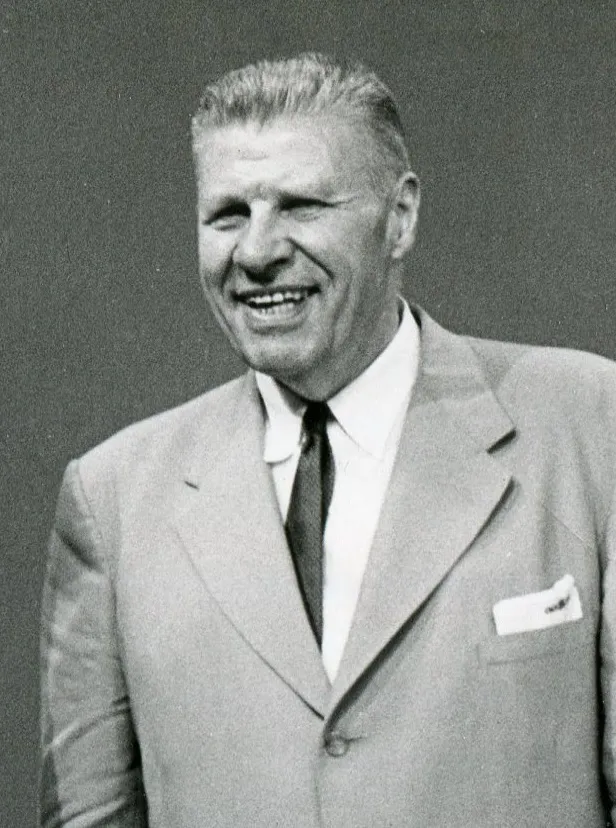
Photo: Birgit Ridderstedt productions, acquired by Lars Jacob Prod, Public domain, via Wikimedia Commons
Somewhere in a storage unit in rural Ohio, there's probably a box of old business records that would make a modern attorney physically ill. No terms and conditions. No indemnification clauses. No arbitration agreements buried in paragraph fourteen. Just a ledger, some names, and maybe a few handwritten notes that said things like "settled — good man" or "owes two weeks — will square up after harvest."
That's how a lot of America used to run. And for a long time, it worked.
The Economy of Reputation
Before the country scaled up into the sprawling, anonymous thing it is today, most business happened inside communities small enough that everyone knew who you were — and more importantly, who your father was, and whether your family paid its debts.
In small-town America through much of the early and mid-twentieth century, a handshake between two people wasn't just a gesture. It was a public declaration made in front of witnesses who would remember it. If you shook on a deal to buy your neighbor's tractor for $400 and then backed out, you didn't just lose a tractor. You lost standing. You'd feel it at church on Sunday. You'd feel it when you needed a loan at the local savings bank whose president was also your kid's baseball coach. Reputation wasn't a soft concept — it was a hard economic asset.
Real estate changed hands on handshakes. Farmers lent each other equipment across seasons with no paperwork. A local contractor might build an entire addition onto your house based on a conversation in a driveway and a rough number scribbled on the back of an envelope. The deal was the relationship, and the relationship was the deal.
Why It Actually Worked
This wasn't naive. It was structural.
When your entire livelihood, social life, and community standing are all woven into the same tight geography, the cost of breaking your word is enormous. You can't just ghost someone and move on. You can't leave a one-star review and never think about them again. You have to see that person at the hardware store, at the county fair, at your kid's school play. The accountability was baked into the fabric of daily life in a way that no legal document could fully replicate.
It also helped that transactions were often between people with long histories. Your family had bought lumber from the same mill for thirty years. The guy behind the counter knew your grandfather. That kind of accumulated trust created a kind of social credit that was deeply real, even if it was never written down anywhere.
And when disputes did come up? They were usually settled the same way they started — face to face, often with a mutual third party who both sides respected. The community itself was the enforcement mechanism.
When the System Started to Crack
The shift didn't happen overnight. It came in waves, driven by some genuinely enormous changes in American life.
Urbanization pulled people out of tight-knit communities and dropped them into cities where your neighbors might change every two years. The postwar economic boom created opportunities that crossed state lines — and suddenly you were doing business with people you'd never met and would never see again. The rise of national corporations meant that the "person" on the other side of a deal might not be a person at all, just a brand with a legal department.
When the social fabric loosened, the legal infrastructure had to fill the gap. Contracts got longer. Lawyers got busier. The handshake didn't disappear — it just stopped being sufficient on its own.
By the 1980s, even moderately sized business transactions were drowning in paperwork. And today? The average consumer agrees to dozens of legal contracts every year without reading a single one. Every app download, every hotel booking, every gym membership comes wrapped in thousands of words of fine print that almost nobody parses. We've replaced the intimacy of a handshake with the theater of a checkbox.
What We Actually Lost
Here's the uncomfortable part: the old system had real problems. It excluded people. If you were Black in mid-century America, your word didn't carry the same weight in the same rooms, no matter how impeccable your reputation. Women faced similar barriers. The handshake economy was often a handshake economy for a specific kind of person, and that's a significant asterisk on any nostalgia.
But the formalization of everything came with its own costs. There's something quietly corrosive about living in a world where trust is treated as a liability. Where every agreement assumes, from the very first word, that someone is going to try to cheat someone else. Where the default posture between two parties is defensive rather than collaborative.
Social psychologists have documented a long, slow decline in generalized trust in the United States — the willingness to assume that strangers are basically decent — over the past several decades. Whether legal formalism caused that decline or just reflects it is a chicken-and-egg question. But the correlation is hard to ignore.
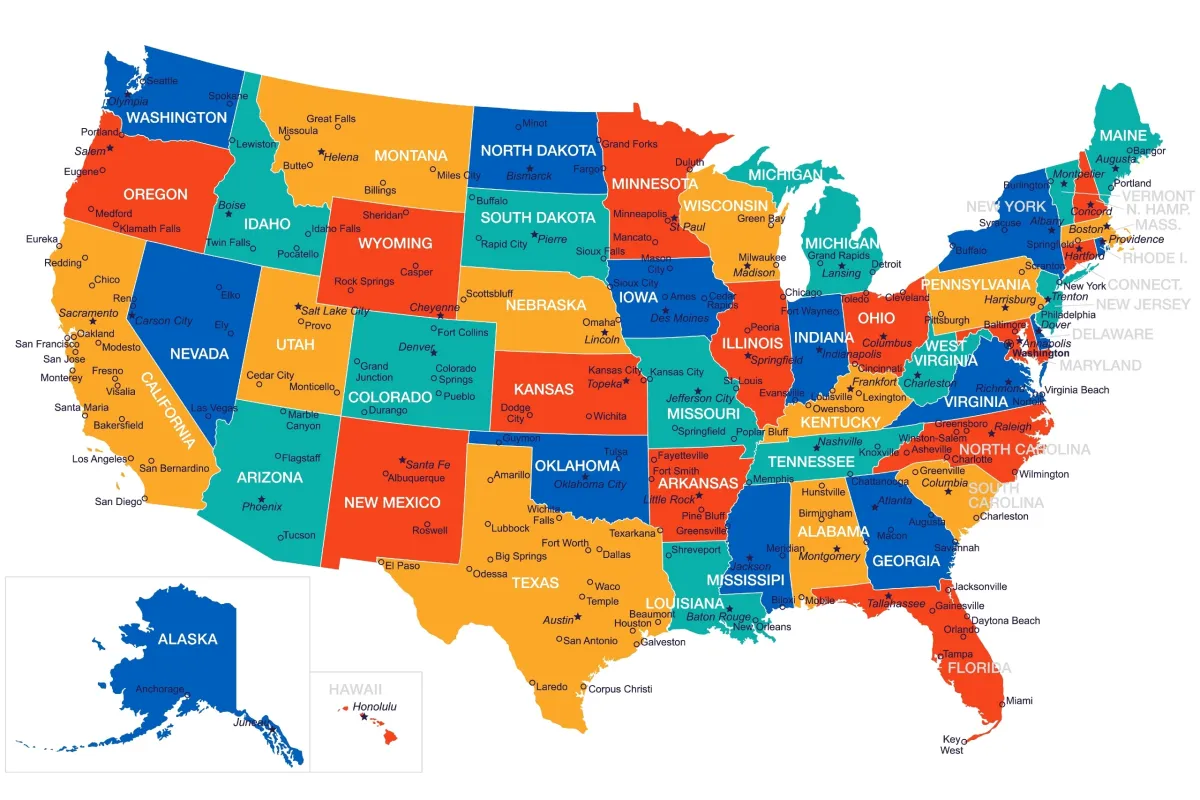 Photo: United States, via www.mappr.co
The Handshake Isn't Dead — It's Just Rarer
None of this means we should throw out the contracts. A world complex enough to include international supply chains, digital services, and transactions between people who've never met genuinely needs legal scaffolding. The handshake economy couldn't have survived the scale of modern American commerce even if we'd wanted it to.
But there are still pockets where the old logic lives. Small towns where a contractor's reputation is still his most valuable business tool. Farmers' markets where vendors extend credit to regulars on nothing but familiarity. Local business communities where a deal struck over coffee is still honored because everyone at that table will be at the same table next month.
In those places, something real is being preserved. Not just a quaint custom, but a genuine form of social technology — one that built trust into the texture of daily life rather than outsourcing it to legal departments.
The world shifted. It had to. But it's worth pausing, just for a moment, to notice what got left behind when a person's word stopped being enough.