The Windshield Was Part of the Fill-Up: America's Gas Station Lost More Than a Pump
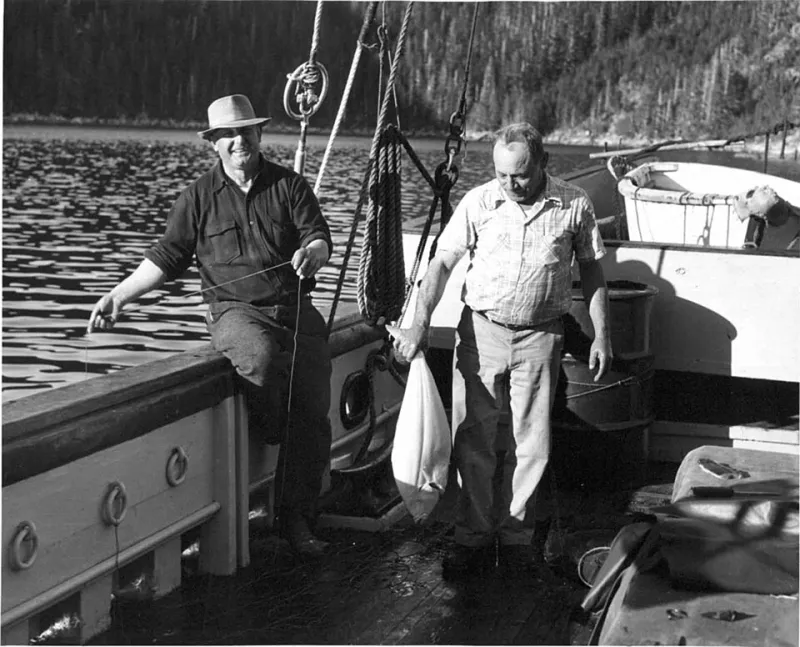
Photo: Scheffer, Victor B, U.S. Fish and Wildlife Service, Public domain, via Wikimedia Commons
Pull into a filling station in 1962 and you did not just buy gasoline. You pulled over a black hose that rang a bell inside the office, and someone in a uniform came out to do the rest. He pumped the fuel, checked the oil, wiped the windshield, and asked whether you wanted the radiator topped off. If you were lucky, he handed over a strip of trading stamps along with your change. The whole stop might have taken eight minutes. It felt like a small transaction between neighbors.
That version of the American gas station is mostly gone now. In 2026, the ritual is a card reader, a screen asking if you want a car wash, and a pump that may not even have a human being within shouting distance. The change did not happen all at once. It arrived one convenience at a time, and each one made sense. That is what makes the loss so easy to miss.
The Bell, the Bib, and the Blue-Collar Pit Stop
The old full-service station was a garage with a pump out front. The attendant was often a mechanic, or at least someone who knew enough to spot a bald tire and a leaking hose. He wore a uniform, sometimes a bow tie, and he called you sir or ma'am. The windshield wash was not a courtesy upgrade. It was part of the job. So was checking the oil, the battery, and the tire pressure. In an era when cars needed more frequent attention, that quick once-over was genuine preventive maintenance.
The trading stamps were a separate economy. S&H Green Stamps and their competitors turned everyday purchases into a kind of household savings account. You pasted the stamps into booklets and redeemed them for toasters, towels, or a new bicycle. Gas stations gave them out because they brought people back. Loyalty programs existed long before anyone carried a phone in their pocket.
How Self-Serve Won
Self-serve gasoline did not take over because drivers demanded less service. It took over because stations needed to compete on price. Through the 1960s and 1970s, self-serve pumps spread state by state, and the oil shocks of the 1970s made cheap fuel the priority. A station that cut labor could cut a few cents off the gallon. Convenience stores moved in, the pump became a place to buy coffee and lottery tickets, and pay-at-the-pump finished the job. By the 1990s, the full-service island was a novelty.
The geography of the change is still visible. New Jersey remains the best-known holdout, with a long-standing ban on self-serve gasoline. Oregon loosened its old restrictions in recent years, though the transition was not exactly smooth. For most Americans, though, the full-service station survives mainly in memory and in old road movies. The uniformed attendant became a guy behind bulletproof glass, then a screen.
The New Forecourt Is a Charging Lounge
Electric vehicles have brought a new kind of roadside stop, but it is not a return to the old one. A charging station in 2026 is often a row of silent posts in a parking lot behind a grocery store. You tap an app, plug in, and wait twenty or thirty minutes. Some networks offer lounges with coffee, Wi-Fi, and clean restrooms. The experience can be pleasant. It is also profoundly self-directed. There is no one to check your tires or ask about your trip.
That is not automatically worse. Today's drivers get cleaner fuel, better diagnostics, and far more information at their fingertips. A modern car can tell you the tire pressure before you even think to ask. The old attendant's checklist has been absorbed by sensors and dashboard lights. What disappeared was the small human exchange: the nod, the weather report, the reminder that your left rear tire looked low.
Road trips used to include a dozen tiny conversations. Now they include a dozen notifications. The gas station was never a destination, but it was a pause. For a few decades, that pause came with a windshield wash and a stranger who knew what a tired engine sounded like. We traded it for speed, and most of us would make the same trade again. Still, it is worth remembering what the fill-up used to include.