The Diploma That Used to Open Every Door in America
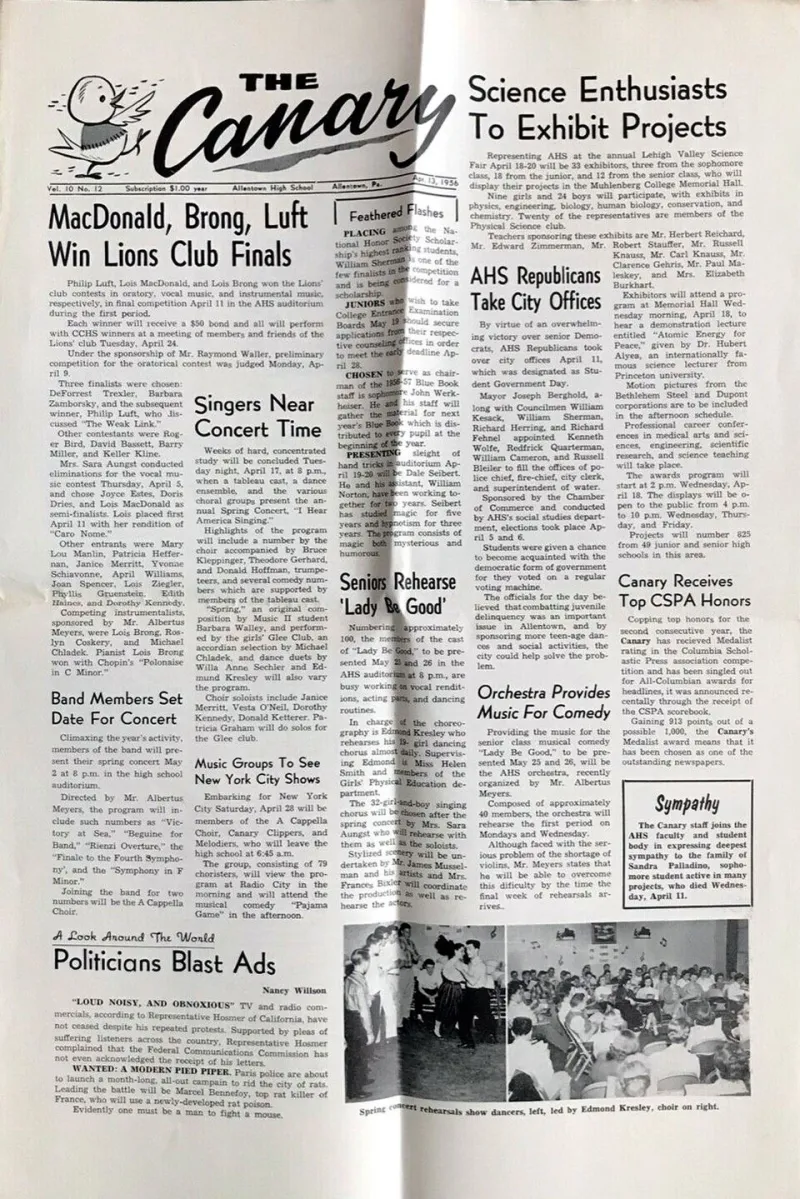
Photo: self scanned, Public domain, via Wikimedia Commons
Somewhere in a shoebox in your grandparents' attic, there's probably a high school diploma. Rolled up, tied with a ribbon, maybe a little yellowed at the edges. To them, that piece of paper wasn't a participation trophy or a bare minimum. It was a key — and in mid-20th century America, it opened almost every door worth opening.
We've quietly forgotten just how dramatically that has changed.
What a Diploma Actually Got You
In the 1950s and '60s, a young man who graduated high school in June could reasonably expect to walk into a factory, a utility company, a bank, or a government office by September and land a job that paid a living wage. Not a survival wage. A living wage — one that could support a mortgage, a car, a stay-at-home spouse, and two or three kids, with enough left over for a summer vacation to a lake somewhere.
These weren't exceptional outcomes. They were typical ones. The postwar American economy was built on the assumption that a reliable, educated worker — educated meaning finished with high school — deserved a stable place in the middle class. Unions reinforced that assumption. So did federal housing policy, the GI Bill, and a manufacturing sector that was the envy of the world.
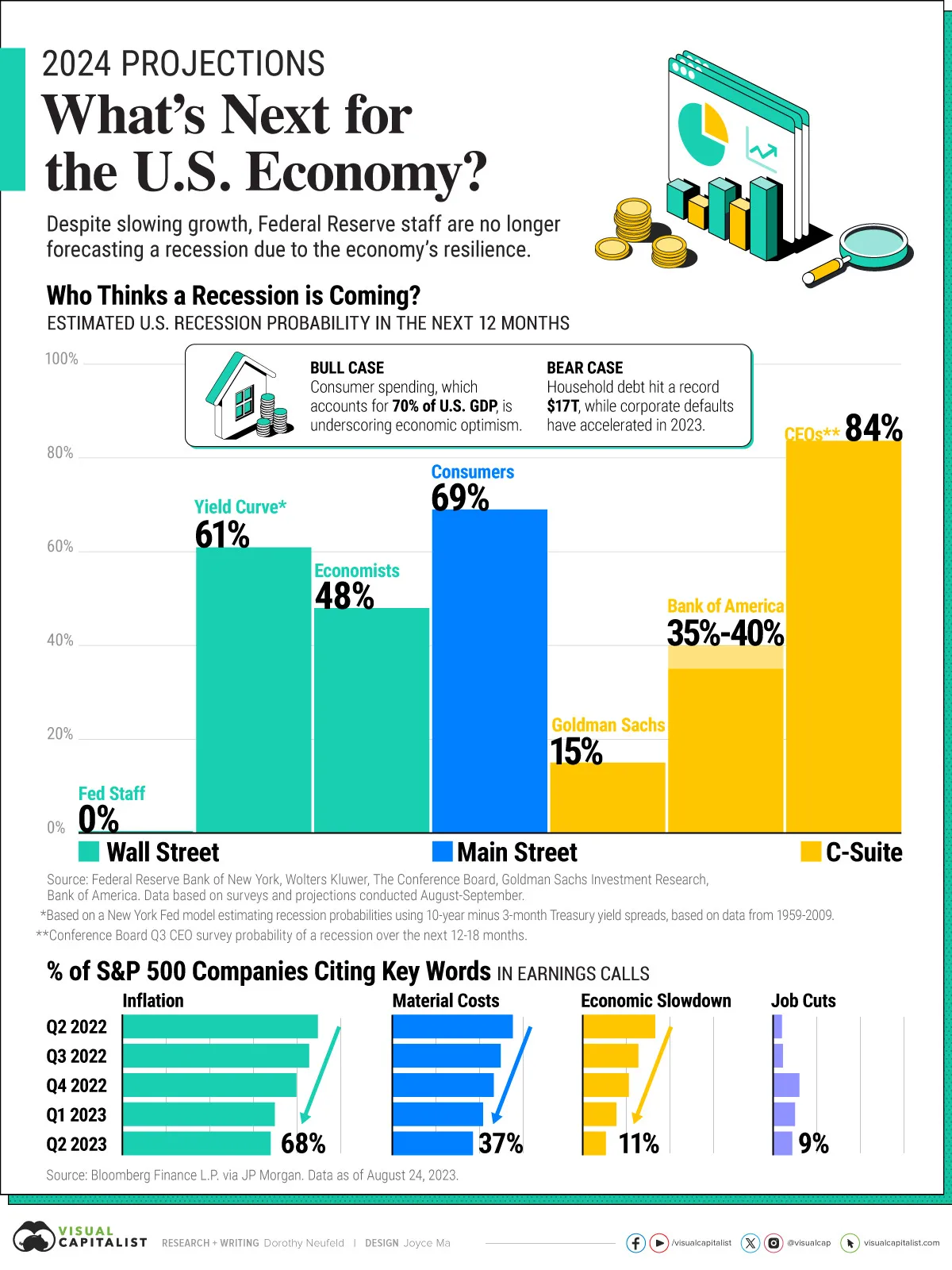 Photo: American economy, via substackcdn.com
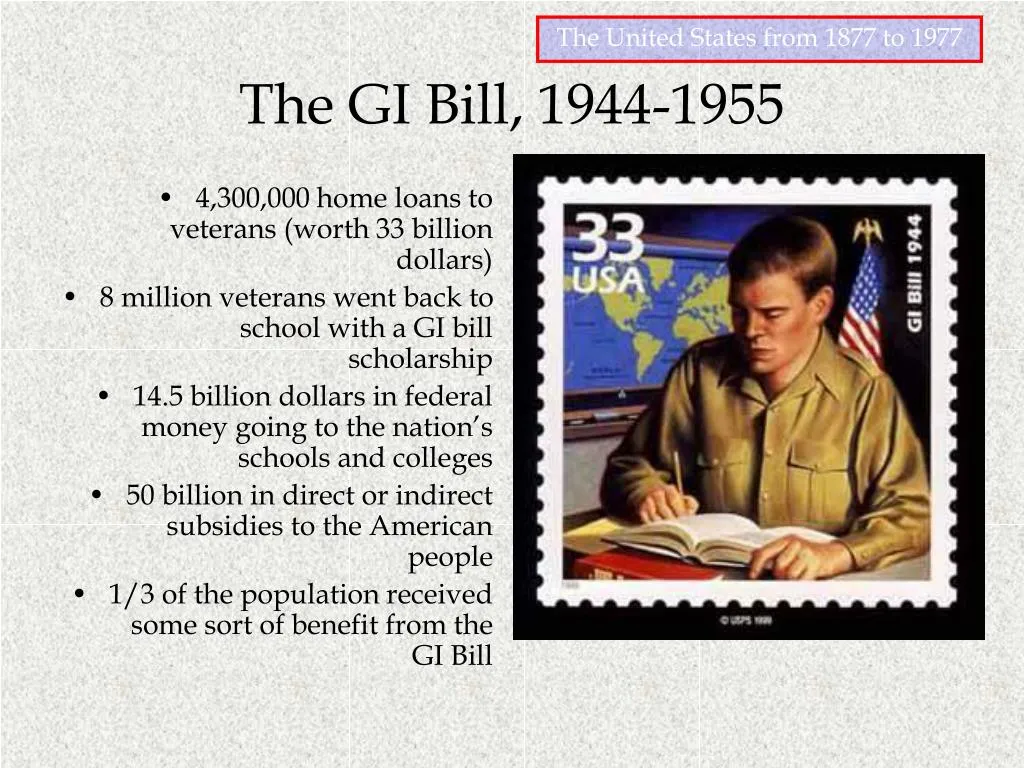 Photo: GI Bill, via image.slideserve.com
Women who graduated high school could find steady work as secretaries, telephone operators, teachers, and nurses — careers that, while often undervalued, came with structure, benefits, and a clear sense of professional identity. The diploma was the credential. Full stop.
When the Goalposts Started Moving
The shift didn't happen overnight, and that's part of what makes it so disorienting to look back on. There was no single announcement, no national policy memo that said: effective immediately, a high school diploma is no longer sufficient.
Instead, it happened gradually — through the 1970s, then accelerating through the '80s and '90s — as employers began requiring college degrees for jobs that had never needed them before. Entry-level office roles. Supervisory positions on manufacturing floors. Customer service management. Jobs that a sharp high school graduate had handled perfectly well for decades suddenly came stamped with "Bachelor's degree required."
Economists call this credential inflation. The baseline keeps rising, not necessarily because the jobs themselves became more complex, but because more applicants had degrees and employers could afford to filter by them. A college diploma became the new high school diploma — except it cost tens of thousands of dollars and four years of a person's life to obtain.
The Numbers Tell a Brutal Story
In 1970, less than 12 percent of Americans 25 and older had a four-year college degree. Today, that figure is over 37 percent. You might expect that dramatic increase in educational attainment to have produced a dramatic increase in economic security. In many ways, the opposite happened.
Median real wages for workers without college degrees have barely moved in fifty years, adjusted for inflation. Homeownership rates for young adults have slid backward. The kinds of stable, benefits-rich jobs that once absorbed high school graduates by the millions have either been automated, shipped overseas, or restructured into contract and gig arrangements that offer none of the security the old economy took for granted.
Meanwhile, the cost of obtaining the credential now required to compete for those remaining stable jobs has exploded. Total student loan debt in the United States recently surpassed $1.7 trillion. People are borrowing money they'll spend a decade repaying — just to reach the starting line their grandparents crossed for free.
The Quiet Rewriting of the American Deal
What's striking, when you sit with this history, is how little public debate accompanied such a fundamental change in how economic mobility works. The rules were rewritten, but the rewriting happened in HR departments and hiring software and industry norms, not in any vote or public conversation.
A generation of Americans was told, implicitly and explicitly, that education was the path to prosperity. That was true. What wasn't said clearly enough was that the amount of education required to walk that path had been silently lengthened and made dramatically more expensive — and that even a four-year degree was no longer a guarantee of the stability a high school diploma once reliably delivered.
Today, plenty of college graduates are working jobs their grandparents' generation would have recognized as high-school-level entry points. The credential changed. The job, often, did not.
What We Actually Lost
This isn't an argument against education. It's an argument for honesty about what changed and who paid for it. The old system had its own profound failures — it largely excluded Black Americans, women, and countless others from its promises of stability. That's not a footnote; it's a central part of the story.
But within its limits, the mid-century American economy offered something genuinely remarkable: the idea that showing up, finishing school, and working hard was enough. That the system would meet you partway. That you didn't need to take on debt equivalent to a mortgage before you'd earned your first paycheck.
That idea — not the diploma itself, but the promise behind it — is what quietly disappeared. And most people only noticed once they were already on the other side of the shift, looking back at their parents' lives and wondering how the math ever worked.
It worked because the rules were different. And the rules changed without anyone asking if that was okay.