A Dime and a Human Voice: How We Used to Find a Phone Number

Photo: vintage payphone directory assistance operator 1970s telephone, via i.pinimg.com
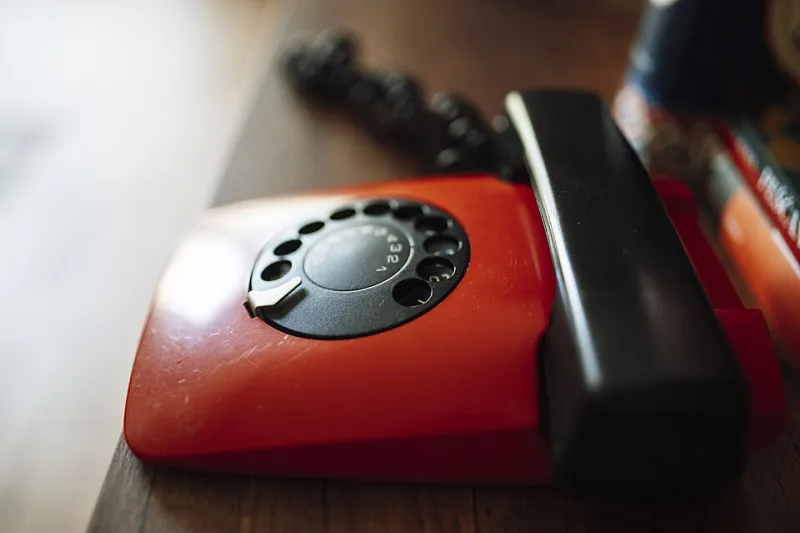
If you needed a plumber in 1975, you did not type a phrase into a search bar. You picked up the phone and dialed 411, or you found the heavy White Pages on the shelf and looked under P. If you were away from home, you dropped a dime into a payphone and asked the operator. The number was not a piece of data you owned. It was something a stranger helped you find.
That sounds quaint now. In 2026, a phone number is usually one tap away, stored in a contact list or surfaced by a search engine. The change is so complete that it is hard to remember how much friction used to sit between a question and an answer. But that friction shaped how people used phones, how they thought about privacy, and how they treated strangers who picked up when they called for help.
The Information Operator
Directory assistance began as a human service. Early telephone networks relied on operators to connect calls, and those operators also answered questions. By the middle of the twentieth century, most American households knew the routine: dial 411, wait for a voice, and ask for a name and city. The operator would look up the listing and either give you the number or connect you directly.
The service was not always free. At various points, directory assistance calls carried a charge, and payphones needed coins for local calls. The dime in the payphone slot was part of the ritual. You had to plan ahead. You had to know what you were going to say. You could not scroll through old messages or check a map while you waited.
The human voice mattered. Operators were trained to be efficient, but they were also the front door to the telephone network. They heard accents, mispronunciations, and half-remembered addresses. They knew that the Smith family on Oak Street was different from the Smith family on Oak Avenue. A good operator could save you from yourself.
The Book on the Shelf
The other half of the system was the phone book. The White Pages listed residential numbers alphabetically. The Yellow Pages listed businesses by category, which is why so many Americans grew up knowing that plumbers, printers, and pizza places all lived in the same thick volume. The phone book arrived at the house, usually without being requested, and it was expected to last a year.
People wrote in them. They circled numbers, crossed out old ones, and tucked notes between the pages. The phone book was a household reference work, as ordinary as a dictionary. It was also a privacy document. An unlisted number was a real thing, and it meant something. You paid the phone company to keep your name out of the book. You did not want to be findable by just anyone.
Then the internet arrived. Online directories, search engines, and eventually smartphones made the phone book obsolete. By the 2010s, many cities had stopped delivering residential White Pages altogether. The 411 call became an automated menu, then a fee, then a rarity. The operator's job did not disappear entirely, but it stopped being the way most people found a number.
What We Lost in the Search Bar
The obvious gain is speed. A search engine can find a business in seconds, complete with hours, reviews, and a map. A smartphone can save a number before you even think to write it down. The friction is gone, and most of us are glad.
But friction did something useful. It made information feel earned. It also made privacy a little more concrete. When every phone number is indexed and every business is reviewed, being hard to find becomes a luxury. Spam calls and robotexts are the tax we pay for a world where numbers are easy to collect.
The phone call itself has changed, too. A ringing phone used to be an event. Now it is often a nuisance. Unknown numbers go unanswered. Directory assistance is a memory. The operator who once connected you to a plumber has been replaced by a search bar, a map pin, and a review score.
That is not a tragedy. It is a trade. We gave up a dime and a human voice for instant answers. The answers are better, faster, and available anywhere. But it is worth remembering that the old system asked something of us: patience, a little preparation, and the willingness to talk to a stranger. The search bar asks nothing at all.