The Brochure on the Fridge Was the Whole Vacation Before the Vacation
Photo: The Family Planning Association of Hong Kong, CC BY-SA 4.0, via Wikimedia Commons
At some point in the 1970s or 80s, if you grew up in a certain kind of American household, a brochure appeared on the refrigerator door. Maybe it was held up with a magnet shaped like a pineapple. Maybe it was tucked under a corner of the family calendar. It showed a beach, or a mountain, or a theme park that looked almost impossibly bright and clean. And from the moment it arrived, summer got a little more electric.
That brochure was the beginning of the vacation — weeks or months before anyone got in the car.
The Ritual of Planning
Before the internet flattened time and collapsed anticipation into a single afternoon of scrolling, planning a family vacation was a genuine project. It had stages. It had texture. It took long enough that the trip had time to grow in your imagination before it ever happened in real life.
For many families, it started with a visit to a travel agent — an actual office, usually in a strip mall, staffed by someone who had been to Florida fourteen times and had opinions about which hotel had the best pool. Travel agents weren't just booking services; they were curators, advisors, and enthusiastic advocates for specific destinations. They kept physical files. They had relationships with resorts. They handed you a folder at the end of the meeting that felt like a small treasure.
If you were going somewhere more obscure — a national park, a lesser-known coastal town, a state you'd never visited — you might write away for a tourism packet. Literally write. A letter, mailed to whatever state's tourism board, requesting information about the area. A few weeks later, a fat envelope would arrive stuffed with maps, brochures, coupons, and pamphlets for local attractions you'd never heard of. The waiting was part of it.
The Kitchen Table as Mission Control
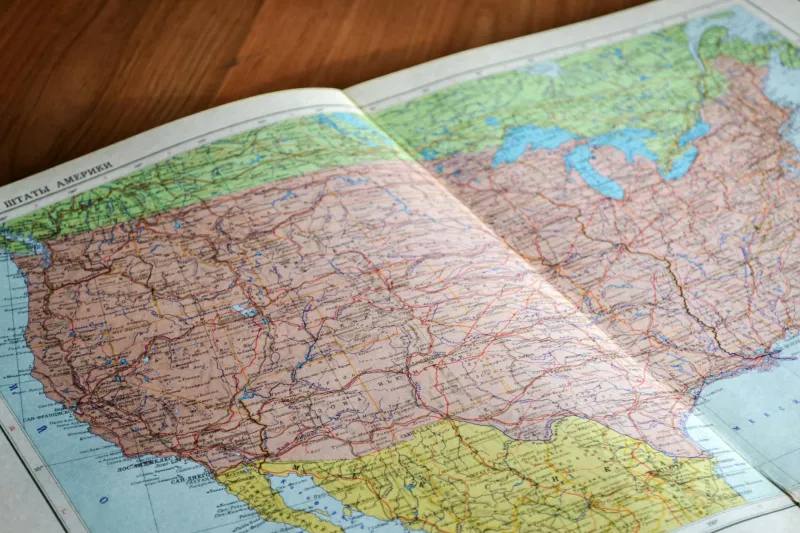
Once the materials arrived, the family kitchen table became the planning center. Road atlas spread open. Brochures fanned out like a hand of cards. Mom might have a notepad with a rough budget. Dad might be tracing a route with his finger, calculating drive times in his head with the confidence of a man who had never once been right about drive times.
The kids had opinions. Loud ones. The brochure for the water park was lobbied for aggressively. The historic battlefield was lobbied against with equal energy. Compromises were negotiated. Itineraries were penciled in, crossed out, and redrawn.
This was hours of family time that existed entirely because of the logistical reality of the era. You had to plan ahead. Hotels didn't hold rooms indefinitely. Popular campgrounds needed reservations months out. If you showed up somewhere without a plan in July, you were sleeping in the car.
So you planned. And in the planning, the trip became real — not as a confirmed booking in an app, but as a shared story your family was already telling itself.
Word of Mouth Was the Algorithm
There was no TripAdvisor. No review aggregator. No star rating system to tell you whether the seafood place near the pier was worth the wait. What you had was people.
Your coworker who'd been to the Outer Banks three summers running was an invaluable resource. Your neighbor who swore by a specific motel in the Smokies — not the fancy one on the main road, the small one around the back with the owner who left out fresh coffee every morning — was giving you intelligence you couldn't find anywhere else.
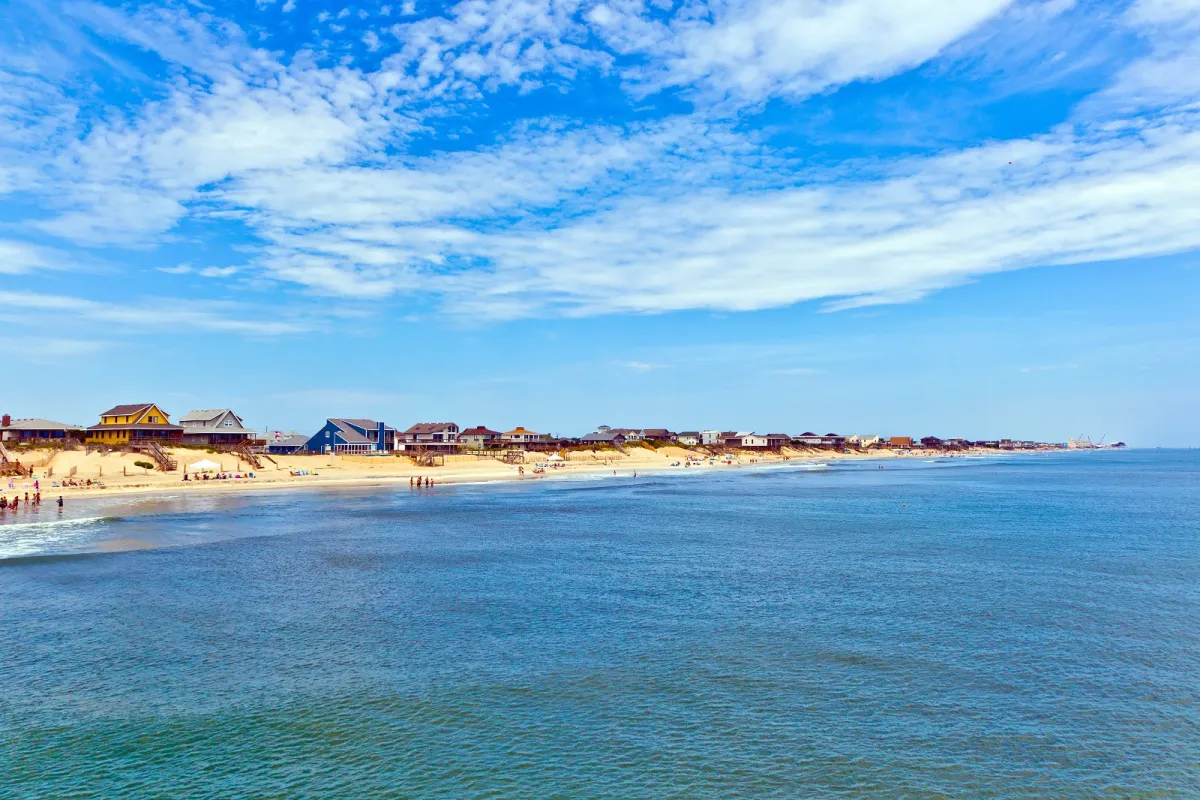 Photo: Outer Banks, via a.cdn-hotels.com
Recommendations came through conversation, through church bulletins, through letters from relatives in other states. They were slow, filtered through personal experience, and deeply specific. And because the person giving the recommendation had actually been there and was vouching for it with their own credibility, you trusted it in a way that's genuinely hard to replicate when you're reading review number 847 from a stranger named "BeachLover_Tampa."
What Instant Booking Costs You
Nobody wants to go back to writing letters and waiting three weeks for a tourism packet. The convenience of modern travel planning is real and significant. You can compare fifty hotels in the time it used to take to find a parking spot near the travel agency. That's not nothing.
But something quietly evaporated when the friction disappeared.
The slow accumulation of anticipation — that weeks-long process of imagining, debating, and daydreaming about a trip before it happened — was itself a form of enjoyment. Psychologists who study happiness have a term for this: anticipatory pleasure. The research suggests that the period of looking forward to something can generate as much positive emotion as the experience itself. When planning collapses into a thirty-minute booking session, that runway of anticipation shrinks dramatically.
There's also something to be said for the way limitations shaped discovery. When you were working with a stack of brochures and a travel agent's recommendations, you couldn't optimize endlessly. You made a choice, committed to it, and then you went. The inability to compare seventeen alternatives in real time meant you arrived somewhere with genuine openness rather than a ranked list of expectations.
The Brochure Generation
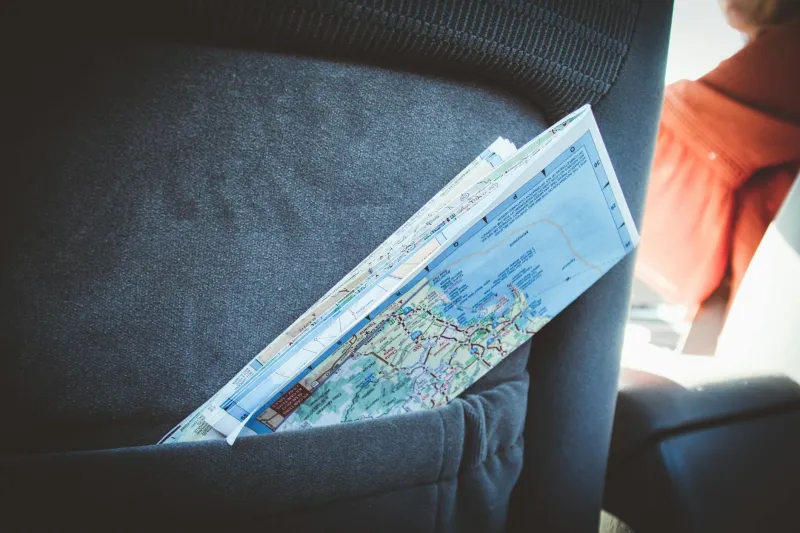
Ask anyone who grew up planning vacations this way and they'll remember specific details with unusual clarity. The font on the motel brochure. The map folded incorrectly and never quite right again. The AAA TripTik — that customized flip-book of route maps that felt like a personalized artifact your family had commissioned just for this trip.
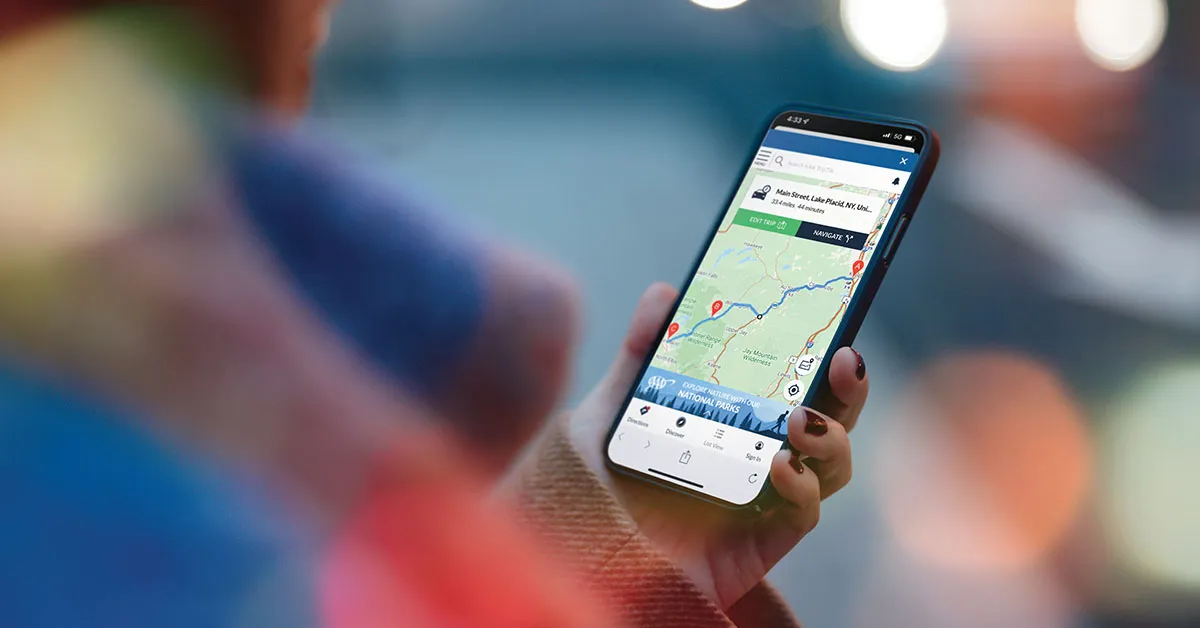 Photo: AAA TripTik, via d2qx1ydpd12zum.cloudfront.net
Those memories are vivid partly because the planning process made the trip feel earned. You'd invested time and imagination in it. The vacation didn't start when you arrived at the destination. It started when someone tacked that brochure to the refrigerator door and the whole family started dreaming together.
Today's version is faster, cheaper, and objectively more efficient. The brochure on the fridge is a screenshot in a group chat. The travel agent is an app with a chatbot. The tourism packet is a website with stock photography and sponsored listings.
It works. But it doesn't quite feel the same.
 Photo: Smoky Mountains, via www.cooldestinations.com