The Saturday Store That Had Everything — Including a Reason to Stay
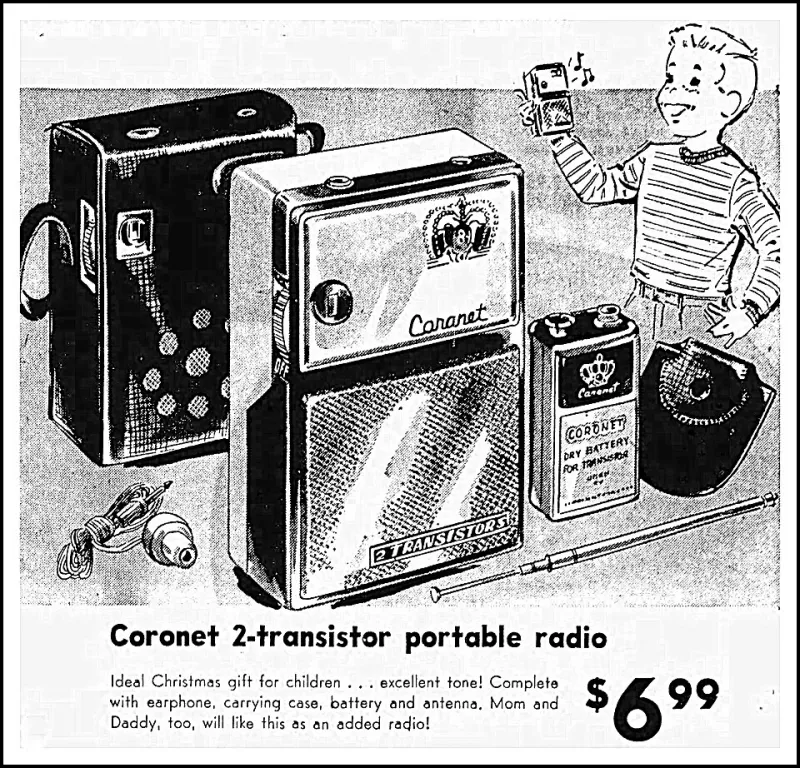
Photo: Joe Haupt from USA, CC BY-SA 2.0, via Wikimedia Commons
There's a particular kind of American Saturday that doesn't really exist anymore. You know the one — or maybe you've only heard about it from someone older, described with a specific fondness that's hard to fully explain. The drive downtown. The parking garage that smelled like exhaust and concrete. The revolving door that pushed you from the heat of a July sidewalk into a cathedral of cool, perfumed air. And then — the store.
Not a store. The store.
A World Under One Roof
The great American department store, at its peak, was less a retail establishment than a civic institution. Marshall Field's in Chicago. Macy's in Manhattan. Nordstrom in Seattle. Neiman Marcus in Dallas. Filene's in Boston. Hudson's in Detroit. These weren't just places to buy things. They were places to be — destinations in the truest sense of the word, places you went with a purpose but stayed for reasons that had nothing to do with shopping.
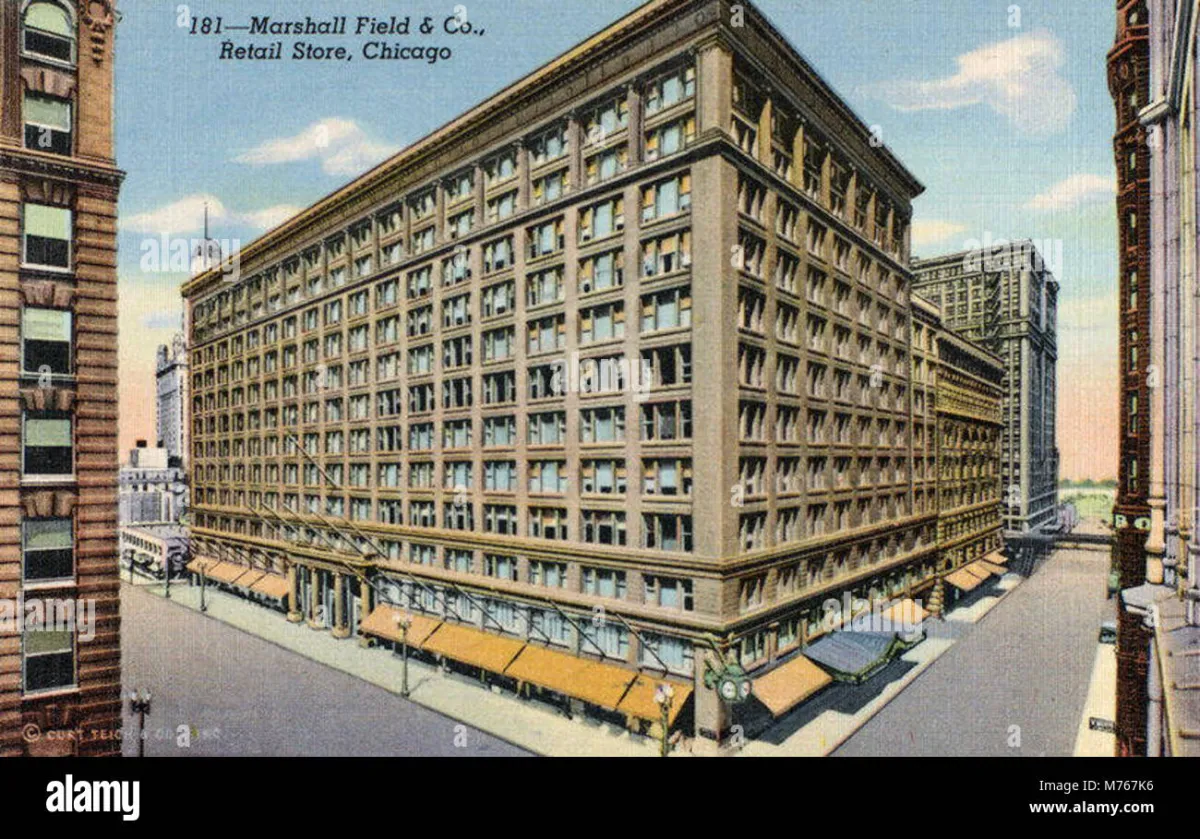 Photo: Marshall Field's, via c8.alamy.com
A single visit might take you from the cosmetics counter on the ground floor — where a woman in a white coat would dab something on your wrist and tell you it was this season's fragrance — up through housewares, past furniture showrooms arranged like actual living rooms you could imagine yourself inhabiting, to the sporting goods department, and then, eventually, to the restaurant on the top floor where the chicken salad came in a pineapple half and the waitresses wore uniforms.
There was a barbershop. A travel agency. A portrait studio. A candy counter. A shoe repair. A toy department that children treated as a museum. In some stores, a beauty salon where women sat under dome dryers and read magazines while the city hummed twelve floors below.
The department store didn't just sell things. It curated an entire experience of what it meant to be a modern American consumer — comfortable, aspirational, and taken care of from the moment you walked through the door.
The Social Life of the Sales Floor
What's easy to underestimate, from this distance, is how much of the department store's value was social rather than commercial. You went because other people went. You ran into neighbors, former coworkers, your kid's teacher. The cosmetics counter was a gathering place. The lunch counter was where downtown workers ate alongside suburban families making a day of it.
Salespeople knew their regulars. Not in the vague algorithmic sense of a website that remembers your shoe size — in the actual human sense of someone who remembered that you preferred a certain cut, that you'd mentioned your daughter was getting married, that you'd been looking for a particular shade of blue that had been out of stock for weeks.
This wasn't nostalgia in real time. People weren't sitting around thinking about how meaningful their department store visits were. It was just the texture of ordinary life — the way a Saturday afternoon had weight and structure and a place to go that felt like it mattered.
How the Floors Went Dark
The decline didn't begin with Amazon. It started earlier, with the migration of American retail to the suburbs in the 1970s and '80s. As downtown populations thinned and malls multiplied, the great flagship stores lost the foot traffic that had sustained them. Many opened mall locations — smaller, less grand, stripped of the restaurants and the barbershops and the sense of occasion.
Discount retailers arrived and undercut them on price. Specialty chains — a store just for electronics, just for sporting goods, just for books — carved off entire departments and offered deeper selection in each. The department store's greatest strength, the fact that it had everything, became a liability in a retail landscape that rewarded focus and low prices over breadth and atmosphere.
Then came the internet, and after it, the smartphone, and finally the pandemic — each one accelerating a process that was already well underway. Today, department store chains that once defined American retail culture are ghosts of themselves. Sears is effectively gone. JCPenney has been through bankruptcy. Lord & Taylor closed entirely. The survivors are fighting for relevance in a world that increasingly experiences shopping as a logistics problem to be solved, not a place to spend a Saturday afternoon.
What a Transaction Can't Carry
The efficiency argument for modern retail is airtight. You can find exactly what you want, compare prices across dozens of sellers in seconds, have it at your door by tomorrow, and return it without speaking to a single human being if it doesn't work out. On pure functional terms, this is an extraordinary improvement over the old way.
But something got left behind in the optimization, and it's worth naming.
The department store was one of the few places in American life where people from different economic backgrounds occupied the same physical space, browsed the same floors, ate in the same restaurant. It was public in a way that malls never quite managed and that e-commerce cannot even attempt. It was a shared experience — imperfect, commercial, sometimes overwhelming — but shared.
When shopping became a transaction instead of a destination, it became faster, cheaper, and more convenient. It also became invisible. Something you do alone, in your home, at midnight, without ever having to encounter the city you live in or the people who live in it with you.
The perfume counter is gone. The chicken salad in the pineapple half is gone. The revolving door and the cool air and the woman who remembered your name — all gone. What replaced them is undeniably useful. But useful and meaningful are not the same thing, and on a slow Saturday afternoon, the difference is hard to miss.