When Sports Fans Lived in Beautiful, Blissful Ignorance
When Sports Fans Lived in Beautiful, Blissful Ignorance
Picture this: You're heading to Wrigley Field on a Saturday afternoon in 1978. You know the Cubs are playing the Cardinals, and you're pretty sure Ryne Sandberg is having a good year, but that's about it. You don't know that the starting pitcher has a 4.73 ERA in day games, or that the Cardinals are 12-3 in their last 15 road games against left-handed starters. You just know it's baseball, the sun is shining, and you've got a hot dog and a cold beer waiting.
That world is gone forever.
The Age of Educated Guesses
Before the internet turned every sports fan into a walking encyclopedia, following your team was an exercise in patience and faith. Game results trickled in through radio broadcasts, newspaper box scores, and the occasional highlights on the 11 o'clock news. If you missed the game, you missed it completely — no highlights on demand, no play-by-play Twitter threads, no instant replays on your phone.
Sports fans developed rituals around this scarcity of information. Sunday mornings meant spreading the newspaper across the kitchen table, coffee in hand, diving into box scores that told stories in numbers and abbreviated names. "2-4, 2B, RBI" became poetry. You'd memorize batting averages and ERAs not because you were obsessed with analytics, but because that's all the data there was.
The local sports page was your bible, and the beat reporter was your prophet. These writers didn't just cover games — they were storytellers who painted pictures with words because there was no video to fall back on. They described the crack of the bat, the roar of the crowd, the way a pitcher's curveball hung in the humid air just long enough for the cleanup hitter to send it into the bleachers.
When Scoreboards Were Actually Boards
At the ballpark, information came slowly and deliberately. Hand-operated scoreboards required actual humans to post inning-by-inning scores, hanging metal numbers that clanked into place. Fenway Park's famous Green Monster scoreboard, operated by workers inside the wall, represented the cutting edge of sports technology.
You'd crane your neck to check other games' scores, posted sporadically throughout the afternoon. Maybe the Yankees were up 4-2 in the seventh, but you wouldn't know the final score until someone updated that board — or until you got home and caught the late news.
This created a different rhythm to being a fan. Instead of the constant dopamine hits of modern sports consumption, you experienced longer stretches of anticipation followed by concentrated bursts of information. It was like the difference between sipping espresso all day and having one perfect cup of coffee in the morning.
The Fantasy of Not Knowing Everything
Without constant access to statistics, trades, and injury reports, sports felt more mysterious. Players seemed larger than life because you only saw them during games or in carefully crafted newspaper profiles. There was no Twitter to reveal their political opinions, no Instagram to show their breakfast choices, no 24-hour sports talk radio dissecting their every move.
You might spend all winter wondering if your favorite player would return next season, with only occasional newspaper reports to feed your curiosity. Trades happened in relative secrecy — you'd wake up one morning to discover your team's star shortstop was now playing for a division rival, and the first you'd hear about it was in the morning paper.
This uncertainty created a different kind of emotional investment. When information was scarce, every piece felt precious. A quote from your favorite player in the sports section could fuel conversations for days. A grainy photo of spring training carried weight because it might be your only glimpse of the team until opening day.
The Rise of the Know-It-All Era
Today's sports fans consume more information before breakfast than fans from the 1970s processed in a month. ESPN's SportsCenter created the highlight reel culture, condensing entire games into digestible nuggets. Then came fantasy sports, turning casual fans into obsessive statisticians who needed to know backup running backs' red zone carries and relief pitchers' inherited runner percentages.
The internet broke the dam completely. Now we have real-time injury updates, advanced metrics that would baffle Einstein, and enough data to analyze every conceivable angle of athletic performance. We know when players haven't slept well, what they ate for lunch, and how their personal lives might affect their on-field performance.
Social media completed the transformation, giving fans direct access to athletes and creating an expectation of constant content. The mystery is gone — replaced by an overwhelming flood of information that somehow makes us feel both more connected and more anxious about our teams.
What We Lost in Translation
Something beautiful disappeared in this shift from scarcity to abundance. The old way of following sports required patience, imagination, and faith. You had to trust that your team was trying their best, even when you couldn't watch every practice or analyze every statistical trend.
There was romance in not knowing. In wondering. In showing up to the ballpark with hope and curiosity instead of detailed scouting reports and predictive algorithms. The games felt more like stories unfolding than data points confirming or denying your pre-game analysis.
Modern sports fandom often feels like work — the constant research, the need to stay current with every transaction, the pressure to have informed opinions about salary caps and draft picks. We've gained incredible access and lost something harder to define: the simple joy of not knowing what comes next.
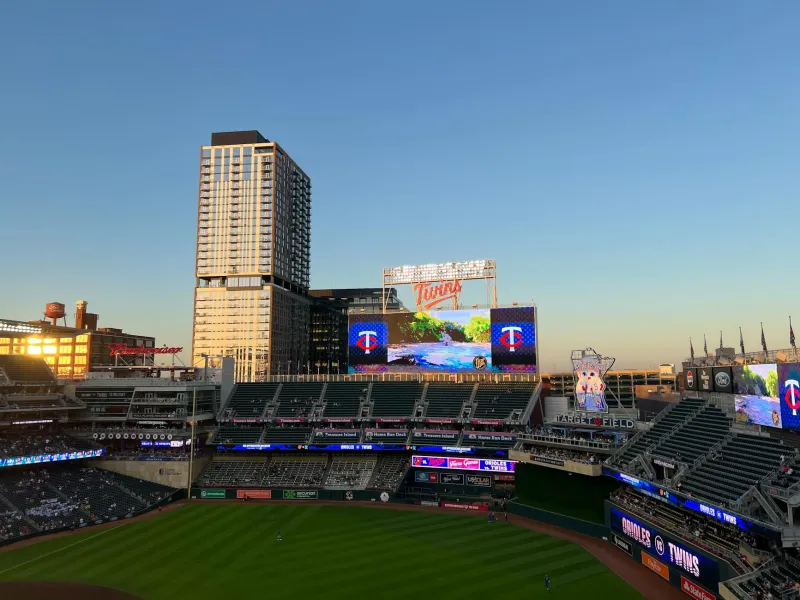
The scoreboards are digital now, updating in real time with more information than those old hand-operated boards could ever display. We can watch any game, anywhere, anytime, with commentary from multiple angles and instant access to any statistic we could imagine.
But sometimes, late at night when the games are over and the highlights have been watched, you might catch yourself missing those Saturday afternoons when showing up was enough, when the only statistic that mattered was the final score, and when the biggest surprise was whatever happened between the first pitch and the last out.