When Your Pharmacist Was Part Doctor, Part Therapist, Part Neighborhood Historian
The Mortar and Pestle Era
Every neighborhood had one: the corner drugstore with the red-and-white striped pole out front and the bell that chimed when you pushed through the glass door. Behind the raised prescription counter stood a figure in a crisp white coat who knew not just your name, but your mother's chronic headaches, your father's blood pressure medication, and exactly which cough syrup worked best for your kids.
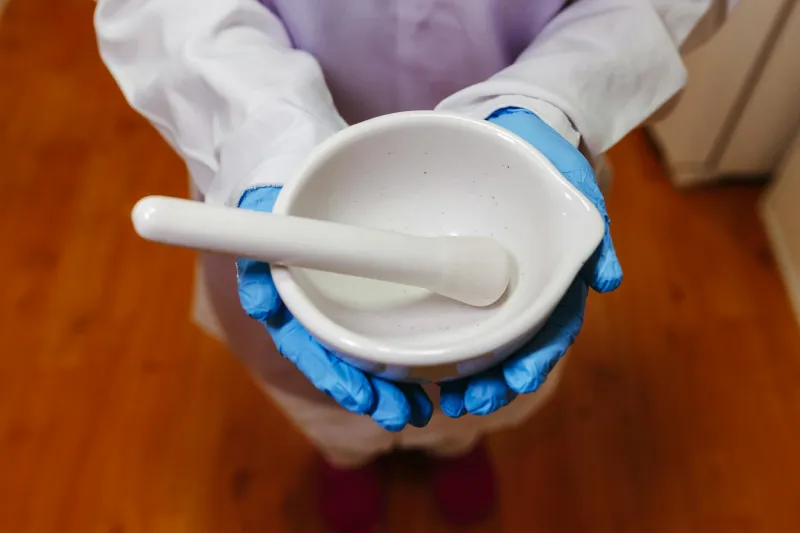
This wasn't just a pharmacy—it was a medical command center, gossip hub, and community gathering place all rolled into one. The pharmacist didn't just count pills; he ground powders, mixed compounds, and often served as the first line of medical advice for families who couldn't afford frequent doctor visits.
The Compound Master
Before mass-produced medications dominated the market, neighborhood pharmacists were part chemist, part artist. They maintained detailed recipe books for custom compounds, mixing everything from pain relief powders to skin creams based on individual prescriptions. Each remedy was crafted by hand, measured precisely, and packaged in small glass bottles with handwritten labels.
These pharmacists understood medicine in ways that went beyond reading prescription labels. They knew which ingredients worked well together, how to adjust formulations for elderly patients or children, and when to suggest alternatives that might work better or cost less. Their knowledge came from years of apprenticeship and daily practice, not just formal education.
Customers would describe their symptoms over the counter, and experienced pharmacists could often recommend effective over-the-counter remedies or suggest when a doctor's visit was truly necessary. This informal medical consultation happened dozens of times each day, serving families who viewed their pharmacist as a trusted healthcare partner.
The Memory Bank
Without computer databases, pharmacists relied on remarkable memory systems and handwritten records. They knew that Mrs. Johnson couldn't take anything with aspirin, that the Miller boy was allergic to penicillin, and that old Mr. Peterson needed his heart medication split into smaller doses because he had trouble swallowing large pills.
This institutional memory extended beyond medical information. Pharmacists knew family dynamics, financial situations, and personal struggles that affected healthcare decisions. They might quietly arrange payment plans for struggling families or suggest generic alternatives without being asked.
The trust ran deep both ways. Families shared sensitive health information freely, knowing their pharmacist would keep confidences while providing the best possible care. Prescription records became family histories, documenting everything from childhood illnesses to pregnancy complications to end-of-life care.
The Social Hub
The neighborhood pharmacy served as an informal community center. People lingered to chat about local news, compare notes on their ailments, and seek advice on everything from parenting to home remedies. The soda fountain in many drugstores made them natural gathering places where conversations flowed freely.
Pharmacists often found themselves counseling customers through difficult diagnoses, explaining complex medication regimens, and offering emotional support during health crises. They celebrated when longtime customers recovered from serious illnesses and mourned when others didn't.
This social dimension of pharmacy practice created networks of care that extended far beyond medication dispensing. Regular customers looked out for each other, sharing rides to medical appointments and checking on neighbors who seemed to be struggling with their health.
The Corporate Takeover
The transformation began gradually in the 1970s and accelerated through the following decades. Independent pharmacies couldn't compete with the purchasing power and convenience of chain stores. One by one, family-owned drugstores closed or sold to larger companies.
Insurance companies pushed patients toward preferred pharmacy networks, often located inside big-box stores or grocery chains. The personal relationship between pharmacist and patient became secondary to cost control and processing efficiency.
Automated dispensing systems replaced hand-counting and custom compounding. Pharmacy technicians took over many tasks that pharmacists once handled personally. The focus shifted from patient care to prescription volume and profit margins.
The Drive-Through Generation
Today's pharmacy experience prioritizes speed and convenience over personal connection. Drive-through windows allow customers to pick up prescriptions without leaving their cars or interacting meaningfully with pharmacy staff. Automated systems text reminders when refills are ready and process payments without human involvement.
Pharmacists still possess extensive medical knowledge, but they're often too busy managing high prescription volumes to provide the personalized counseling that once defined their profession. Many work for corporate chains that emphasize efficiency metrics over patient relationships.
The modern system offers undeniable advantages: lower costs, extended hours, and access to a wider range of medications. Online prescription services provide convenience that the old corner drugstore could never match. Insurance processing is streamlined, and safety protocols are more rigorous.
What the Numbers Don't Capture
Yet something intangible disappeared when the neighborhood pharmacy became just another retail transaction. The loss goes beyond nostalgia—it represents a fundamental shift in how Americans experience healthcare.
The old-style pharmacist served as a bridge between formal medical care and daily health management. They caught dangerous drug interactions through personal knowledge, not just computer alerts. They provided health education through conversation, not printed pamphlets. They offered emotional support during medical crises, not just clinical information.
The corner drugstore's demise reflects broader changes in American community life. As neighborhoods became more transient and healthcare more specialized, the generalist approach of the family pharmacist seemed outdated.
But in our rush toward efficiency and cost control, we may have lost something essential: the idea that healthcare works best when it's personal, when someone knows your story, and when medicine is practiced with both scientific rigor and human compassion. The corner drugstore wasn't just a business—it was a reminder that healing happens not just through chemistry, but through connection.