When Getting Sick Meant Neighbors Showed Up With Soup — Not Debt Collectors With Bills
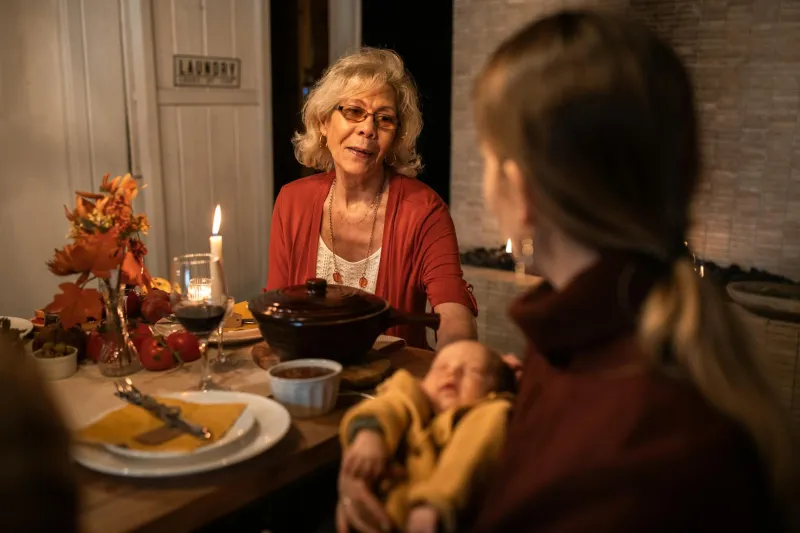
When Illness Was a Community Event, Not a Financial Catastrophe
Picture this: It's 1955, and Harold from down the street just had a heart attack. Within hours, the entire neighborhood knows. Mrs. Patterson from next door is already preparing her famous chicken soup. The church ladies have organized a meal train that'll last three weeks. Harold's boss stops by to say his job will be waiting when he gets back, and the hospital bill — all $180 of it — gets paid from the family's savings account without breaking a sweat.
Fast-forward to today. Same heart attack, same neighborhood. The difference? Harold's family is about to receive a bill for $87,000, his insurance will cover maybe 60% if he's lucky, and by the time the dust settles, they'll be choosing between their house and their health.
The $50 Hospital Stay That Actually Existed
In the 1950s, the average hospital stay cost about what most Americans made in a week. A typical birth ran around $25. A major surgery might set you back $200 — expensive, sure, but not life-altering. Most families could handle these costs the same way they'd handle a car repair or a new refrigerator: they'd dip into savings, maybe ask family for help, and move on with their lives.
Hospitals themselves were different creatures entirely. Most were run by religious organizations or local communities, operating more like public services than profit centers. The goal was healing, not maximizing shareholder value. Doctors often lived in the same neighborhoods as their patients, and everyone knew the local hospital administrator by name.
When Your Neighbors Were Your Safety Net
But the real difference wasn't just financial — it was social. Getting sick in mid-century America activated an entire community response system that we've almost completely lost. Church groups, neighborhood associations, and extended families formed an invisible insurance network that caught people when they fell.
The ritual was predictable and comforting. Someone would organize the meal schedule. Others would handle the kids, walk the dog, or keep up the yard. The local pharmacist might deliver medications personally. It wasn't perfect, and it certainly excluded plenty of people, but for those within the community circle, serious illness meant being surrounded by support, not drowning in paperwork.
The Birth of the Medical-Industrial Complex
Somewhere between then and now, healthcare transformed from a human-scale service into what President Eisenhower might have called the "medical-industrial complex." Hospitals became corporations. Insurance companies became gatekeepers. Medical schools started churning out specialists who knew everything about hearts but nothing about the people they beat inside.
The numbers tell the story starkly. In 1960, Americans spent about 5% of GDP on healthcare. Today, we're pushing 20%. The average family health insurance premium now costs more than many people's entire annual salary in 1955. A routine appendectomy that cost $300 in 1960 now runs $15,000 to $30,000.
The GoFundMe Generation
Today's version of community support looks radically different. Instead of casseroles showing up at your door, we have crowdfunding campaigns shared on social media. "Help Sarah Beat Cancer" competes with "Save Tommy's House After His Stroke" in our newsfeeds. We've outsourced community care to algorithms and donation buttons.
The modern patient navigates a maze of insurance networks, prior authorizations, and surprise billing that would have been incomprehensible to previous generations. Families spend hours on hold with insurance companies, fighting over coverage for treatments their doctors say are necessary. Medical bankruptcy — a term that didn't exist in 1955 — now affects over 500,000 American families every year.
What We Lost in Translation
This shift represents more than just rising costs — it's a fundamental change in how we relate to each other during our most vulnerable moments. The old system had serious flaws: it excluded minorities, women often received substandard care, and many conditions we now treat routinely were death sentences. But it also had something we've largely lost: the understanding that illness is a community concern, not just a personal crisis.
The neighbor who brought soup understood something our current system doesn't: healing happens in context. Recovery isn't just about medical intervention — it's about being held by a community that sees your suffering as their concern.
The Price of Progress
Modern medicine can work miracles that would have seemed like magic in 1955. We can replace hearts, cure cancers, and extend lives in ways our grandparents never imagined. But we've somehow managed to make these miracles accessible only to those wealthy enough to afford them, or desperate enough to risk everything trying.
The bitter irony is that we've created the most advanced healthcare system in human history, and simultaneously made it the most financially destructive. We can save your life and ruin it at the same time — a uniquely American innovation that would have baffled those casserole-carrying neighbors from 1955.
They understood something we've forgotten: taking care of each other isn't just good medicine — it's good for everyone.