When Buying a Car Was Like Getting Married — A Lifelong Commitment
When Buying a Car Was Like Getting Married — A Lifelong Commitment
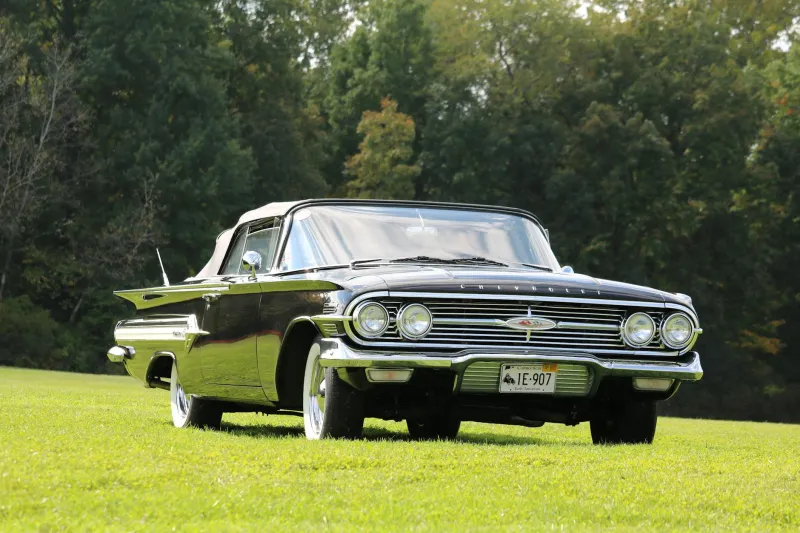
Picture this: It's 1965, and your neighbor just drove home in a brand-new Chevrolet Impala. The whole street comes out to admire it because this isn't just any purchase — this is a once-in-a-decade event. That car will sit in his driveway for the next twenty years, maybe longer. His kids will learn to drive in it. It'll take the family on countless road trips. And when he finally parts with it, it'll be because someone in the family needs their first car.
Fast-forward to today, and that same scenario sounds almost quaint. We live in a world where the average American trades in their vehicle every six years, where 84-month loans are considered normal, and where many people can't even tell you what they actually owe on their car.
The Era of the Forever Car
Back in the day, buying a car was serious business. Families would research for months, comparing models like they were choosing a college. The decision often came down to practical considerations: Which engine would last longest? Which manufacturer had the best reputation for reliability? How much would parts cost in ten years?
Once they made their choice, they'd typically finance it for two or three years — if they financed at all. Many Americans saved up and paid cash, treating the purchase like buying a house. The idea of being "upside down" on a car loan was practically unheard of because people weren't constantly trading up.
Then came the real commitment: maintenance. Your average car owner in the 1960s or 70s knew their vehicle inside and out. They could tell you when the oil was last changed, which mechanic had worked on the transmission, and exactly how many miles were on the odometer. Many people performed basic maintenance themselves — changing oil, replacing spark plugs, adjusting carburetors.
The Subscription Car Culture
Today's car buying experience would baffle someone from that era. Walk into any dealership, and the conversation immediately shifts to monthly payments. "How much do you want to spend per month?" has replaced "How much car can you afford?"
The numbers tell the story of this shift. The average new car loan now stretches over 69 months — nearly six years. Some dealers offer 84-month terms, meaning you could be paying for a car longer than most people keep them. Meanwhile, the average American trades in their vehicle every 6.5 years, often while still owing money on it.
Leasing has exploded too, accounting for about 30% of new car transactions. Essentially, we've turned car ownership into a subscription service. You pay monthly for the privilege of driving something you'll never actually own, then hand it back and start the cycle again.
When Cars Had Personalities
The old way of car ownership created a different relationship between driver and machine. Cars developed character over time. That slight pull to the left, the way the engine sounded on cold mornings, the exact pressure needed on the gas pedal for smooth acceleration — these quirks became familiar, even endearing.
Families named their cars. They celebrated milestones — the first 100,000 miles was a genuine achievement worth bragging about. When something broke, you fixed it. The idea of totaling a car over a repair bill seemed wasteful, almost immoral.
Many families had "the good car" and "the work car" — one for special occasions and one for daily use. Both were expected to last indefinitely with proper care.
The Planned Obsolescence Revolution
Somewhere along the way, the entire philosophy shifted. Cars became fashion statements that needed regular updating. Manufacturers began designing vehicles with shorter lifespans, using materials and systems that were harder for average owners to maintain.
The rise of computer-controlled systems meant fewer people could work on their own cars. Diagnostic equipment became essential, turning simple repairs into dealer visits. Extended warranties became standard because everyone assumed things would break.
Meanwhile, marketing shifted focus from durability to features. Instead of advertising how long a car would last, commercials highlighted infotainment systems, styling changes, and financing deals. The message became clear: This car is great, but next year's will be even better.
What We Lost in the Shift
This transformation reflects a broader change in American consumer culture. We've moved from a society that valued durability and long-term thinking to one obsessed with newness and convenience. The monthly payment model has made it easier to afford more car than you need, but it's also created a cycle of permanent debt.
Older Americans often talk about the pride of making that final car payment — actually owning something outright. Today, many people have never experienced that feeling. They go from one payment to another, essentially renting their transportation for life.
There's also an environmental cost to this shift. Cars that might have lasted twenty years now get recycled after six or seven. The resources used to manufacture all those extra vehicles add up.
The Road We're On
The old model wasn't perfect. Cars from the 1960s and 70s required more maintenance, got worse gas mileage, and lacked modern safety features. But they fostered a different relationship with ownership — one based on commitment, care, and long-term thinking.
Today's approach offers convenience and constant access to the latest technology. You're never stuck with outdated features or expensive repairs on an aging vehicle. But you're also never free from payments, never building equity, and never experiencing the satisfaction of truly owning something significant.
As we stand at the crossroads of electric vehicles and autonomous driving, it's worth considering which model serves us better. Are we happier renting our transportation month by month, or did we lose something valuable when we stopped thinking of cars as lifelong companions?
The answer might depend on what you value more: the latest features or the peace of mind that comes with actually owning something outright. Either way, the days when a new car meant a twenty-year commitment are as gone as the distinctive smell of vinyl seats baking in the summer sun.