Ocean Liners, Seven-Day Crossings, and the Lost Art of Getting There
Ocean Liners, Seven-Day Crossings, and the Lost Art of Getting There
Somewhere around 1927, the average American did not go to Europe. Not because they didn't want to. Not because they lacked curiosity or ambition. They didn't go because getting there took the better part of two weeks out of a life that couldn't afford the interruption — or the ticket price.
Travel, in the early twentieth century, was not a casual thing. It was an event. A commitment. Something you told your neighbors about.
When the Journey Was the Destination
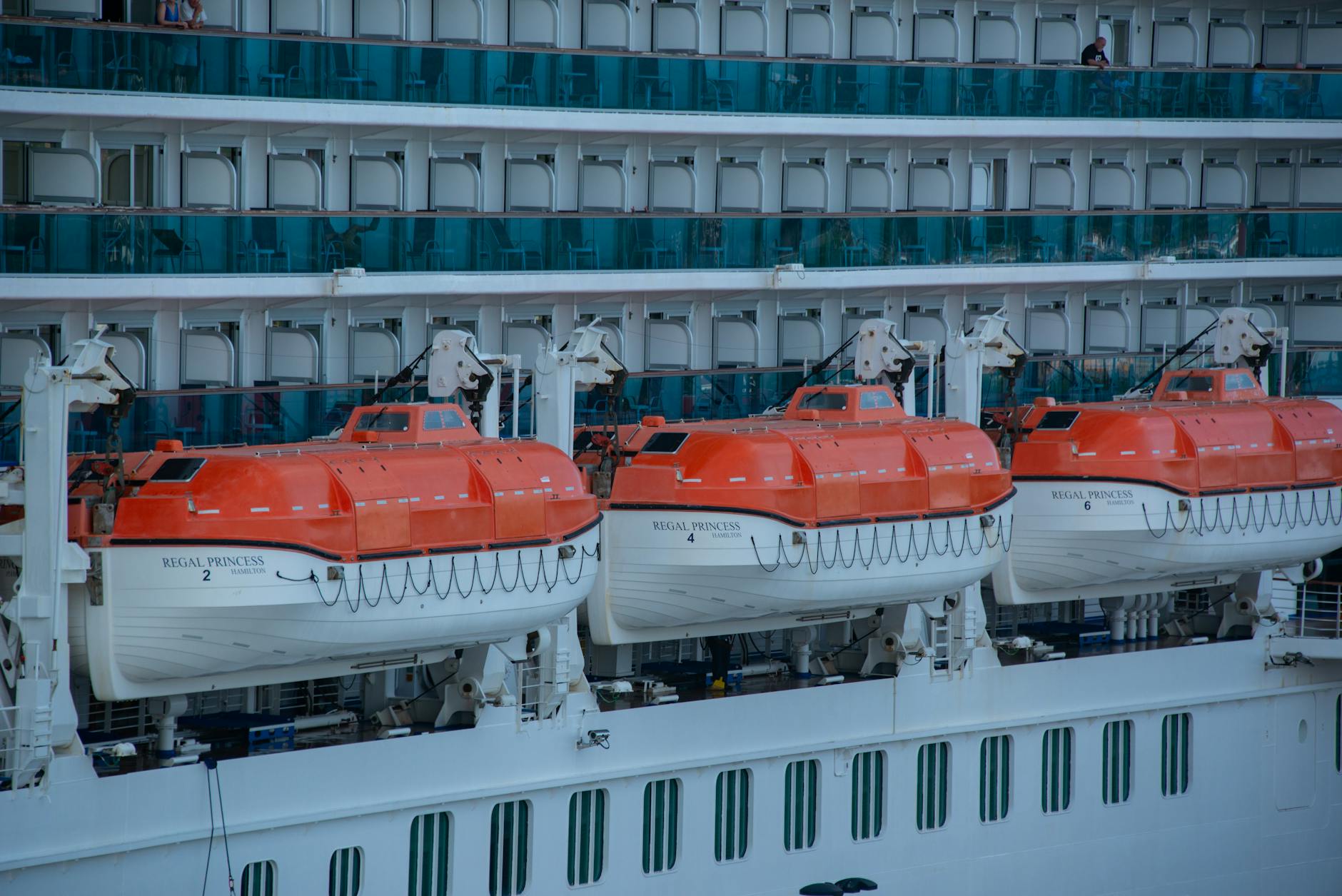
Before commercial aviation changed the equation, crossing the Atlantic meant boarding an ocean liner — a floating city of dining rooms, promenade decks, and class divisions enforced by locked doors. The fastest ships of the 1930s, like the RMS Queen Mary, could make the New York-to-Southampton crossing in around four days under ideal conditions. Most ships took six to eight.
For the majority of passengers, the crossing was longer. Slower ships, rougher seasons, and the reality that most Americans traveling abroad weren't booking first-class cabins on record-breaking vessels. Steerage and tourist-class passengers often spent ten days or more at sea.
And the cost? A round-trip tourist-class ticket on a transatlantic liner in the late 1940s ran somewhere between $200 and $400 — which, adjusted for inflation, lands somewhere between $2,500 and $5,000 in today's dollars. First class was several times that. For context, the median American household income in 1950 was around $3,300 a year.
Europe wasn't a vacation. It was a financial undertaking.
Who Actually Left the Country
Here's the number that tends to stop people cold: as late as 1950, fewer than 15% of Americans owned a valid passport. International travel was, almost by definition, a pursuit of the wealthy, the well-connected, or those with family ties pulling them back across an ocean.
And it wasn't just international travel that felt distant. A 1949 Gallup survey found that roughly one in three Americans had never traveled outside the state where they were born. The country itself — before the Interstate Highway System, before affordable air travel — was enormous in a way that's hard to fully appreciate now. Getting from Kansas City to New York City wasn't a weekend trip. It was a production.
Commercial aviation existed by the late 1930s, but early transatlantic flights were expensive, unreliable, and deeply uncomfortable. Pan American's flying boats — the famous Clippers — began offering transatlantic passenger service in 1939. The crossing took about 29 hours, with fuel stops in Newfoundland and the Azores. A one-way ticket cost around $375, which is roughly $8,000 today. The passenger list read like a who's who of American wealth and influence.
The Shift That Changed Everything
The transformation didn't happen overnight, but it accelerated fast once it started. The introduction of the Boeing 707 in commercial service in 1958 was the genuine turning point. Suddenly, New York to London was a six-to-seven hour flight. The jet age didn't just make travel faster — it made it conceivable for people who had never seriously entertained the idea before.
Airfares dropped steadily through the 1960s and accelerated after the Airline Deregulation Act of 1978, which opened U.S. air travel to market competition and sent ticket prices into a long decline. By the mid-1980s, transatlantic round trips were available for under $500. By the 2000s, budget carriers were offering Europe fares that would have seemed like a misprint to a 1950s traveler.
Today, a round-trip flight from New York to London can be found for under $400 on sale. The crossing takes seven hours. You can leave on a Friday evening and be walking across Tower Bridge on Saturday morning.
What We Gained — and What Quietly Disappeared
The compression of travel time reshaped how Americans experience the world in ways that go beyond simple convenience. Europe shifted from a once-in-a-lifetime pilgrimage to a long-weekend option. International travel became a middle-class activity rather than an upper-class ritual. The percentage of Americans holding passports crossed 50% for the first time in 2018.
But something also got lost in the translation. The ocean liner crossing had a quality that no seven-hour flight can replicate: time to arrive. Days at sea with nothing to do but read, eat, and slowly adjust to the fact that you were leaving one world and entering another. The journey itself was a kind of decompression chamber between lives.
Now you board in one city, sleep for a few hours in a pressurized tube, and land in another continent before your body has had time to register the transition. The destination arrives before the traveler is ready for it.
That's not a complaint. The democratization of travel — the fact that a teacher from Ohio or a nurse from Phoenix can spend spring break in Italy — is one of the genuinely remarkable shifts of the last century. But it's worth pausing, just briefly, to notice what the speed cost us.
The world got smaller. Whether that made it more or less interesting probably depends on where you're standing.