When Saturday Night at the Cinema Was America's Shared Dream
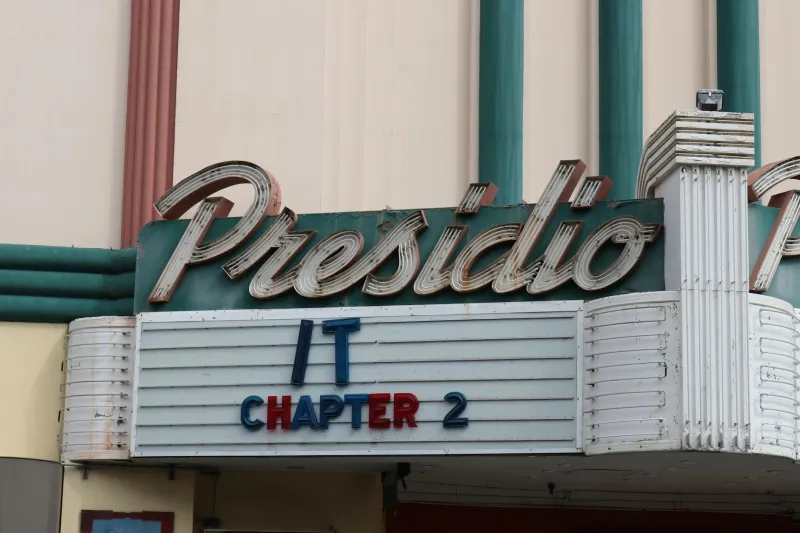
The Cathedral of Dreams
Picture this: It's 1955, and the Paramount Theater downtown is lighting up its marquee for the evening show. Families are getting dressed—actually dressed—for their weekly pilgrimage to the movies. Kids polish their shoes, parents debate whether to splurge on popcorn, and teenagers practice their casual lean against the lobby wall.
This wasn't just going to see a movie. This was the entertainment event of the week.
For most American families in the mid-20th century, the local movie theater represented something we've completely lost: scarcity as a source of anticipation. When you had exactly one chance per week to see moving images larger than life, every frame mattered. Every seat in that darkened theater held someone who had made a deliberate choice to be there.
When Movies Were Appointments You Kept
The average American family in 1950 owned a radio, maybe a small television set that picked up three grainy channels, and that was it. No VCRs, no cable boxes, certainly no devices that could stream thousands of titles on demand. If you wanted to see Cary Grant charm his way through a romantic comedy or watch John Wayne ride across Monument Valley in Technicolor, you had exactly one option: buy a ticket and show up.
This scarcity created something beautiful—genuine collective experiences. When the villain appeared on screen, the entire audience hissed. When the hero kissed the girl, everyone sighed in unison. Movie theaters were democracy in action, where a factory worker and a bank president could sit side by side and share the exact same emotional journey.
Contrast that with today's viewing habits. The average American household now has access to over 15,000 movies across various streaming platforms. We can pause, rewind, fast-forward, or abandon a film halfway through without consequence. We watch alone on laptops, phones, tablets—anywhere except in rooms full of strangers sharing the same story.
The Lost Art of Commitment
Here's what we don't talk about enough: when entertainment was scarce, we were better at paying attention. You couldn't check your phone during the boring parts because phones didn't exist. You couldn't switch to something else because there was nothing else. You had to commit to the story unfolding in front of you, and that commitment created deeper engagement.
Modern viewers start an average of 2.7 movies per week but finish only 1.3 of them, according to streaming analytics. We've gained infinite choice but lost the ability to stick with difficult or slow-building narratives. The patience required to let a story develop over two hours—without interruption, without alternatives—has become a lost skill.
The Theater as Town Square
Those grand movie palaces of the 1940s and 50s weren't just entertainment venues—they were community centers. The Fox, the Roxy, the Palace—these weren't generic multiplexes but architectural marvels with names that mattered. Going to the movies meant dressing up, seeing neighbors, discussing the film afterward over coffee and pie at the diner next door.
The social ritual began long before the curtain rose. Couples would plan their Saturday night around showtime. Families would debate which picture to see based on reviews in the local newspaper. Teenagers would coordinate group outings with the precision of military operations.
Today's movie experience, when it happens at all, is largely anonymous. We buy tickets online, arrive minutes before showtime, sit in assigned seats surrounded by strangers scrolling through their phones, then leave immediately when the credits roll. The communal aspect has evaporated.
What Infinite Choice Actually Costs
The paradox of our current entertainment landscape is this: we have unprecedented access to stories, yet we're experiencing a crisis of cultural cohesion. When everyone watched the same three TV channels and saw the same movies at the local theater, we shared common references, jokes, and emotional experiences.
Now we live in separate entertainment bubbles. Your Netflix recommendations are completely different from your neighbor's. Your viewing history is unique to you. We've gained personalization but lost the shared cultural moments that once bound communities together.
The average American now spends 18 minutes browsing streaming platforms before selecting something to watch—often the same comfort shows they've seen multiple times. Choice paralysis has replaced the simple pleasure of surrendering to whatever story happened to be playing at 8 PM.
The Magic We Traded Away
Don't misunderstand—streaming technology is remarkable, and having options is generally better than not having them. But something ineffable was lost when going to the movies stopped being an event and became just another Tuesday night activity.
We traded the electric anticipation of waiting all week for Saturday night at the pictures for the dull anxiety of endless scrolling through options. We exchanged shared cultural experiences for personalized algorithms. We gave up the commitment required for deep engagement in favor of the freedom to quit whenever we get bored.
The next time you find yourself spending twenty minutes trying to pick something to watch, remember what your grandparents had: one screen, one story, one night per week when the whole world gathered in the dark to dream together. Sometimes less really was more.