When 'Checking In' From Vacation Meant Finding a Payphone and Praying You Had Quarters
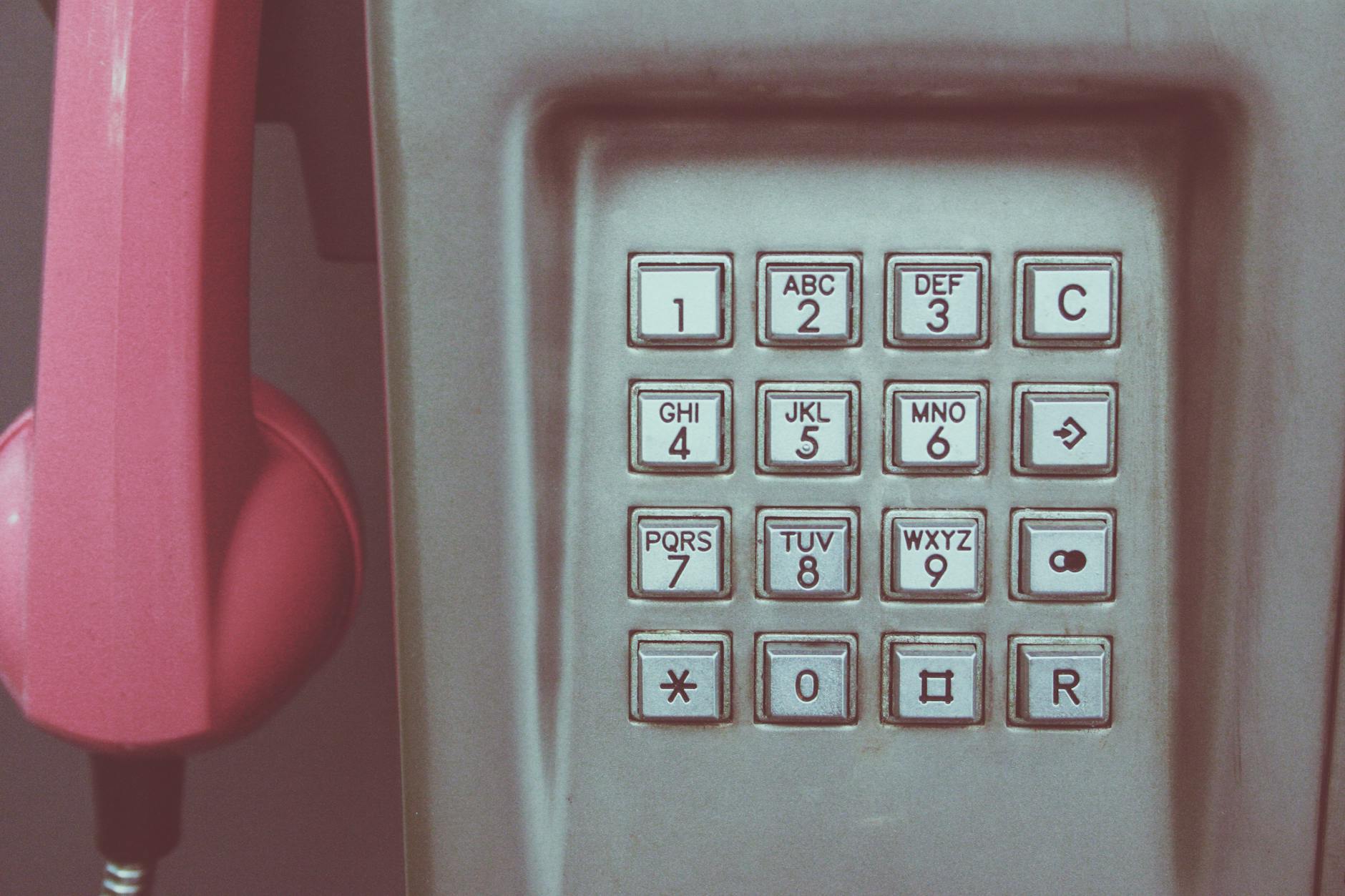
When 'Checking In' From Vacation Meant Finding a Payphone and Praying You Had Quarters
Picture this. It's 1983. You're on vacation in London — a trip that took months to plan and represents a significant chunk of your annual savings. You've been gone for five days. Back home in Columbus, your parents are wondering if you're alive. You find a payphone near your hotel, feed it coins, and dial the overseas operator.
Three minutes later, you've said hello, confirmed you're healthy, described the weather, and been cut off mid-sentence. You walk back to the hotel. The call cost you the equivalent of dinner for two.
That was normal. That was just how it worked.
The Actual Numbers Are Startling
Long-distance calling in the United States — even before you get to international rates — was genuinely expensive by modern standards for most of the twentieth century. AT&T's regulated monopoly on telephone infrastructure kept prices high and competition minimal. In 1980, a direct-dialed long-distance call within the U.S. cost around $0.20 to $0.40 per minute during off-peak hours. Peak rates were higher.
International calls were in a different category entirely. A three-minute call from the United States to the United Kingdom in 1980 cost approximately $9 to $12 — which translates to roughly $35 to $45 in today's dollars. For a call to Japan or Australia, you could add another 30 to 50 percent on top of that.
Hotel surcharges made everything worse. Hotels routinely added markups of 50 to 200 percent on telephone calls made from room phones — a revenue stream they guarded aggressively. It was not unusual for a traveler to check out of a hotel and find a phone bill that matched or exceeded their room rate.
The result was a culture of deliberate, rationed communication. You didn't call home to chat. You called to deliver information and receive it, as efficiently as possible, and then you hung up.
Postcards, Telegrams, and the Patience Required to Be Away
For most of the twentieth century, the postcard was the default communication tool for travelers — and it operated on a timeline that required everyone involved to simply accept uncertainty as part of the deal.
A postcard mailed from Paris in the 1950s took roughly ten days to two weeks to reach a home address in the American Midwest. By the time your family read about the Eiffel Tower, you were already back in Ohio, unpacking your suitcase. The postcard was less communication than it was artifact — proof that you had been somewhere, delivered after the fact.
Telegrams offered speed but at a cost that pushed people toward compression. Western Union charged by the word, which produced a generation of travelers who became surprisingly skilled at distilling their circumstances into the fewest possible syllables. "ARRIVED SAFELY LONDON STOP WEATHER FINE STOP CALL UNNECESSARY STOP" was not parody. It was practical.
The underlying assumption baked into all of this was that being away meant being genuinely, functionally unreachable for stretches of time. Your employer understood it. Your family accepted it. The world did not expect to hear from you daily, because daily contact was not physically possible for most people.
Deregulation, Competition, and the Price Collapse
The Telecommunications Act of 1996 and the broader deregulation of the U.S. phone market through the 1980s began to crack open AT&T's pricing structure. Long-distance rates fell significantly through the late 1980s and 1990s as companies like MCI and Sprint competed aggressively on price.
But the real disruption came from the internet. Voice over Internet Protocol — VoIP — technology began routing phone calls through data networks rather than traditional phone lines, and the cost equation inverted almost overnight. Skype launched in 2003 and offered free computer-to-computer calls internationally. By the late 2000s, calling London from Columbus cost essentially nothing if both parties had an internet connection.
FaceTime launched in 2010. WhatsApp video calling arrived in 2015. Today, a traveler in Thailand can video call their parents in Minnesota in high definition, for free, while sitting on a beach — and the call can last as long as anyone wants it to.
The price of international communication went from roughly $15 per minute in 1960 to functionally zero in 2025. That is not a gradual decline. That is a structural collapse.
What We Lost When We Became Reachable
Here's the part of the story that doesn't get discussed enough: the old limitations weren't purely a hardship. They were also a permission structure.
When calling home from vacation cost $40 for three minutes, no one expected you to do it daily. When postcards took two weeks to arrive, no one expected real-time updates. Being away meant being away — psychologically as well as physically. There was a clean boundary between the trip and the life you'd left behind, and crossing it required real effort and real money.
That boundary is gone. A 2023 survey by the American Psychological Association found that more than 40% of American workers report checking work email while on vacation. The phrase "I'll be out of office" has become largely theoretical. Employers, families, and friends now carry a baseline expectation of reachability that simply did not exist forty years ago.
The technology that eliminated the cost of staying in touch also eliminated the social permission to be unreachable. You can call home for free from anywhere on earth — which means, in a very real sense, that you never fully leave.
The 1983 traveler who rationed their three-minute call from a London payphone had something the modern traveler doesn't: a genuine, economically enforced excuse to just be somewhere else for a while.
Sometimes the friction was the feature.