When Topps Cards Became Treasury Bonds
In 1989, my neighbor's dad bought a case of Donruss baseball cards and stored it in his basement like it was a wine collection. He'd check the Beckett price guide monthly, calculating his son's future tuition payments based on the fluctuating value of rookie cards. This wasn't just a hobby — it was retirement planning with bubble gum.
Thirty-five years later, that case is still in the basement, worth roughly the same as the cardboard it's printed on. But for one glorious decade, millions of American parents believed they'd discovered the secret to beating the stock market: buying pictures of athletes printed on cardboard rectangles.
The Junk Wax Era Gold Rush
The late 1980s and early 1990s marked the peak of what collectors now call the "junk wax era" — a time when card companies printed money by literally printing cards. Upper Deck revolutionized the industry with hologram authentication and premium photography, while Fleer, Donruss, and Score flooded the market with sets featuring every conceivable variation.
Parents who'd grown up hearing stories about Mickey Mantle cards thrown in bicycle spokes suddenly saw dollar signs in every pack. The logic seemed bulletproof: if a 1952 Topps Mickey Mantle was worth $50,000, surely a 1989 Upper Deck Ken Griffey Jr. rookie card would be worth millions by 2020.
Card shops sprouted in strip malls across America like financial planning offices. These weren't toy stores — they were investment firms where nine-year-olds learned about market speculation and portfolio diversification. Kids brought calculators to the card shop, tracking their "investments" with the seriousness of Wall Street traders.
The Science of Speculation
Beckett Baseball Card Monthly became the unofficial bible of the cardboard economy. Parents subscribed religiously, studying price fluctuations like stock analysts. A rookie's hot streak could double a card's value overnight; a season-ending injury could crash an entire "portfolio."
The culture around collecting became intensely financial. Cards were stored in plastic sleeves, then plastic cases, then fireproof safes. Parents bought UV-protective storage boxes and climate-controlled storage units. Some families spent more on card preservation than they did on the cards themselves.
Every card show felt like a commodity exchange. Dealers set up tables with calculators and magnifying glasses, examining cards for the microscopic flaws that separated "mint" from "near mint" condition — a distinction that could mean hundreds of dollars in theoretical value.
The Great Overproduction Reality Check
The fundamental flaw in the cardboard investment strategy was supply and demand — specifically, the fact that card companies could create infinite supply whenever demand increased. Unlike actual rare collectibles, baseball cards were manufactured products that could be printed by the millions.
While parents were buying cases of 1990 Leaf cards, the manufacturers were printing them faster than the Federal Reserve prints money. The "rare" rookie cards that were supposed to fund college educations were being produced in quantities that would make them common for decades.
By the mid-1990s, the market was saturated. Card shops started closing, and the secondary market collapsed under the weight of overproduction. The cards that were supposed to appreciate like real estate instead depreciated like used cars.
The Psychology of Nostalgia Investing
What drove the collecting craze wasn't just greed — it was nostalgia-fueled optimism. Parents who remembered the simple joy of opening a pack of cards wanted to recreate that magic for their children while building wealth at the same time. It seemed too good to be true because it was.
The hobby attracted people who'd never collected anything before but understood that scarcity creates value. They applied stock market logic to a children's entertainment product, not realizing that the manufacturers had no incentive to maintain artificial scarcity.
The Digital Age Resurrection
Interestingly, the collectibles market has experienced a renaissance in recent years, driven by millennials with disposable income and pandemic-era nostalgia. But the new collecting boom is different — it's driven by genuine passion rather than investment strategy, and collectors understand they're buying entertainment, not retirement funds.
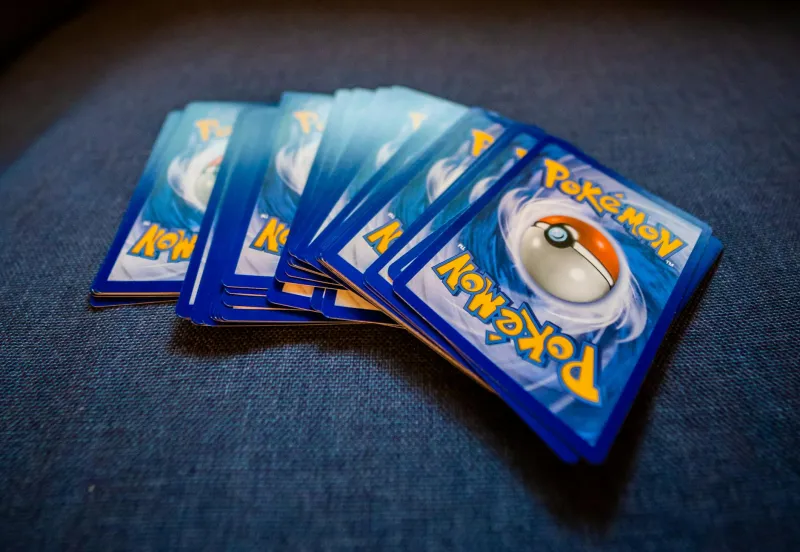
The rise of NFTs and digital collectibles has created a new generation of speculative collectors, proving that humans are hardwired to believe the next collectible craze will be different. Pokemon cards, Magic: The Gathering, and vintage video games have all experienced price spikes that echo the baseball card boom of the 1980s.
Modern Collecting Wisdom
Today's collectors approach the hobby with more realistic expectations. Online marketplaces like eBay provide real-time pricing data that's more accurate than the inflated price guides of the past. Grading services like PSA and BGS have created standardized quality assessments, but collectors understand that even "gem mint" cards from the junk wax era aren't retirement plans.
The most valuable lesson from the cardboard gold rush isn't about collecting — it's about the danger of confusing nostalgia with investment strategy. The parents who bought cases of 1989 Donruss weren't just buying cards; they were buying into the fantasy that childhood memories could be monetized.
The Attic Archives
Drive through any American suburb today, and you'll find attics filled with carefully preserved cardboard from the late 1980s and early 1990s. Those collections represent millions of dollars in hopes and dreams, now worth roughly what the original owners paid for them.
The real value was never in the cards themselves — it was in the time spent with kids at card shops, the excitement of opening packs together, and the shared belief that maybe, just maybe, this hobby could pay for college. That experience was priceless, even if the cards weren't.