Every June, millions of American parents performed what would now be considered an act of supreme faith: they drove their children to a camp in the woods, hugged them goodbye, and then simply... waited. For weeks. Sometimes months. With no way to check if little Tommy was homesick, if Sarah remembered to take her allergy medicine, or if anyone was actually supervising the archery range.
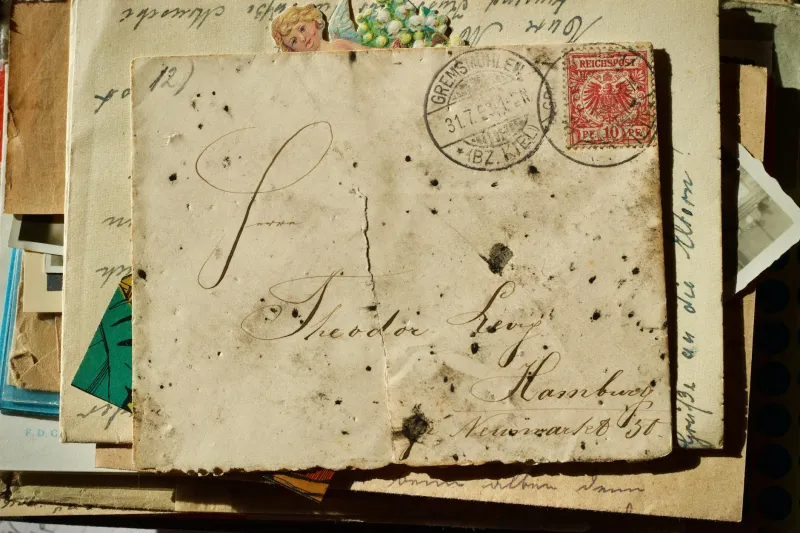
The only lifeline was the letter — that thin piece of paper that traveled through the postal system at the breakneck speed of 1970s mail delivery, arriving 5-7 days after it was written, carrying news that was already ancient history by the time anxious parents tore open the envelope.
The Great Communication Blackout
Summer camp in the pre-digital era operated on a communication system that would send today's helicopter parents into therapy. Most camps had a single payphone — often in the director's office — reserved for genuine emergencies. Some camps prohibited phone calls entirely, viewing them as disruptive to the camp experience.
Parents packed their kids off with pre-stamped envelopes and strict instructions to "write home every few days." Then they returned to their daily lives, checking the mailbox with the intensity of someone waiting for lottery results. A letter from camp was cause for celebration, even if it contained earth-shattering news like "We had hot dogs again" or "I think I have poison ivy."
This communication drought wasn't seen as neglect — it was considered essential to the camp experience. The whole point was for kids to disconnect from home and learn independence. Parents understood that constant contact would undermine this goal, even if it meant weeks of wondering whether their child was thriving or plotting their escape.
The Art of the Camp Letter
Camp letters were their own literary genre, written by children who had never been taught that communication should be efficient or informative. A typical letter might read: "Dear Mom and Dad, Camp is fun. Yesterday we did something with canoes. The counselor's name is Steve or maybe Dave. I need more socks. Love, Jennifer. P.S. What's our dog's name again?"
Parents became experts at reading between the lines. A letter that arrived on schedule meant things were probably going well. A letter that was unusually short might indicate homesickness — or that the camp was serving particularly good meals that day. Multiple spelling errors could signal either poor supervision or genuine excitement that prevented careful proofreading.
Some kids mastered the art of strategic vagueness, writing letters designed to extract care packages without revealing actual problems. "The food here is different from home" could mean anything from "I'm starving" to "they don't serve Lucky Charms for breakfast." Parents shipped cookies and candy based on these cryptic dispatches, never quite sure if they were responding to genuine need or clever manipulation.
When Silence Was Golden
The most remarkable thing about this system wasn't its inefficiency — it was how well it worked. Kids adapted to camp life faster when they couldn't call home every time they felt homesick or faced a minor crisis. Without the safety net of instant parental rescue, they learned to solve problems, make friends, and find comfort in their new temporary community.
Camp counselors, knowing they couldn't rely on parents to handle every emotional crisis via phone call, developed genuine relationships with their campers. They became temporary guardians in the truest sense, responsible for both the physical and emotional wellbeing of kids whose parents were effectively unreachable.
Parents, meanwhile, learned to trust both their children and the camp staff in ways that feel almost unimaginable today. They had to believe that their investment in camp would pay off, because they had no way to micromanage the experience from afar.
The Anxiety of Not Knowing
This isn't to romanticize what was often genuine anxiety for parents. Mothers and fathers worried about their children in ways that seem almost quaint now — not because they feared kidnapping or abuse (though those concerns existed), but because they simply had no way to know if their kid was happy, healthy, or homesick.
The evening news occasionally featured stories about camp accidents or problems, which sent waves of worry through parents who couldn't immediately call to check on their own children. They had to wait for the next letter, scheduled phone call, or visiting day to get reassurance.
Yet somehow, this uncertainty was accepted as part of the camp experience. Parents understood that their temporary anxiety was the price of their children's independence. The discomfort of not knowing was balanced by the confidence that their kids were learning to handle life without constant parental oversight.
The Weekly Drama
Letter day at home was its own ritual. Parents would rush to the mailbox, sometimes calling each other to compare notes on what their kids had written. Neighborhood mothers would gather to share particularly amusing or concerning passages, creating informal support networks around the shared experience of camp communication.
The timing of letters became a source of analysis worthy of intelligence agencies. A letter that arrived earlier than expected might indicate homesickness (kid had time to write because they weren't participating in activities). A late letter could mean the child was too busy having fun to write, or that something was wrong. Parents developed elaborate theories about postal delivery times and camp mailing schedules.
Some camps tried to manage parental anxiety by sending weekly newsletters with general updates and photos, but these mass communications only intensified the desire for personal news from their own child.
What We Gained in the Silence
The forced separation of camp life created something that's nearly impossible to replicate today: genuine independence. Kids learned to navigate friendships, handle conflicts, and manage emotions without immediate parental input. They discovered they could survive homesickness, try new activities without parental encouragement, and make decisions based on their own judgment rather than family expectations.
Parents, too, benefited from the communication blackout. They were forced to trust their parenting, their children, and the camp staff. Many discovered that their kids were more capable and resilient than they had imagined.
The delayed gratification of letter-writing also created a different relationship with communication. Kids learned to reflect on their experiences before sharing them, often resulting in more thoughtful and detailed accounts than today's stream of instant updates.
The Lost Art of Patient Parenting
Today's summer camps struggle with parents who demand daily photo updates, want to text with their children, and expect immediate responses to concerns. Many camps now employ full-time social media coordinators whose job is to provide the constant stream of updates that modern parents require.
While this new transparency prevents some problems and provides reassurance, it also eliminates the forced independence that once defined the camp experience. Kids who know they can call home at any moment are less likely to push through difficult moments or form deep bonds with counselors and fellow campers.
The Magic of Delayed Gratification
Perhaps what we've lost most is the magic of delayed gratification — the way that waiting for news made it more precious when it finally arrived. A letter from camp was an event, read multiple times and often saved as a keepsake. Today's instant updates are consumed and forgotten, lacking the weight and significance of communication that required effort and patience.
The summer camp letter represents more than just a quaint relic of pre-digital communication. It symbolizes a time when both children and parents were comfortable with uncertainty, when independence was valued over constant connection, and when the space between people was seen as essential for growth rather than a problem to be solved with technology.
Next time you see a parent frantically checking their phone for updates from their child's sleepaway camp, remember that there was once a time when love meant letting go completely — and somehow, everyone turned out just fine.